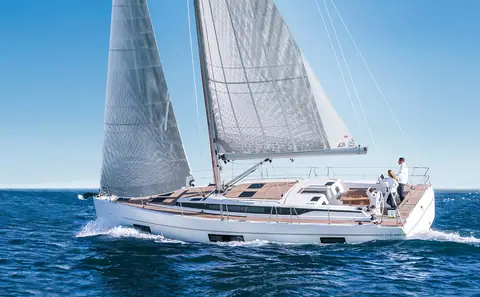
Bavaria 30 Cruiser
Cruising Sailboats, 31 ft
Used $38K to $62K
The production cruising monohull is the backbone of American sailing. It is the boat you see on moorings in Annapolis, on Great Lakes club docks and in Florida marinas, the one that teaches families to sail, hosts weekend raft-ups and occasionally slips off to the Bahamas. When people search "sailboats for sale", this is mostly what they find.
Cruising Sailboats, 31 ft
Used $38K to $62K
Cruising Sailboats, 32 ft
Used $45K to $72K
Cruising Sailboats, 35 ft
Used $55K to $85K
Cruising Sailboats, 38 ft
Used $70K to $110K
Cruising Sailboats, 39 ft
Used $68K to $112K
Cruising Sailboats, 43 ft
Used $88K to $140K
Cruising Sailboats, 43 ft
Used $108K to $158K
Cruising Sailboats, 46 ft
Used $78K to $125K
Cruising Sailboats, 48 ft
Used $110K to $160K
Cruising Sailboats, 51 ft
Used $115K to $170K
Cruising Sailboats, 51 ft
Used $135K to $210K
Cruising Sailboats, 33 ft
Used $18K to $38K
Cruising Sailboats, 27 ft
Used $7K to $18K
Cruising Sailboats, 37 ft
Used $205K to $330K
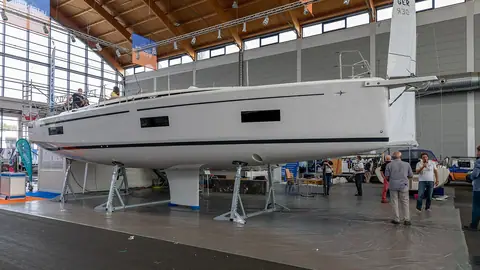
Cruising Sailboats, 41 ft
Used $220K to $380K
Cruising Sailboats, 51 ft
Used $390K to $640K
Cruising Sailboats, 55 ft
Used $520K to $860K
Cruising Sailboats, 33 ft
Used $52K to $84K
Cruising Sailboats, 33 ft
Used $68K to $105K
Cruising Sailboats, 33 ft
Used $95K to $175K
Cruising Sailboats, 37 ft
Used $70K to $106K
Cruising Sailboats, 37 ft
Used $95K to $200K
Cruising Sailboats, 41 ft
Used $88K to $135K
Cruising Sailboats, 41 ft
Used $120K to $210K
No models match these filters. Clear a filter to see more.
Two groups dominate the category. European volume builders, chiefly Beneteau, Jeanneau, Hanse, Dufour and Bavaria, produce modern 38 to 60 foot yachts with wide sterns, twin wheels and bright interiors. American builders such as Catalina, which ceased production in 2025, and Hunter (Marlow-Hunter from 2012) built tens of thousands of boats aimed at US sailors, and their older models remain the most affordable way into a capable cruiser. At the small end, trailerable boats such as the Catalina 22 and the MacGregor 26X still introduce new sailors every season.
This page sorts those choices by size, builder and purpose, with honest price ranges and the checks that matter when buying.
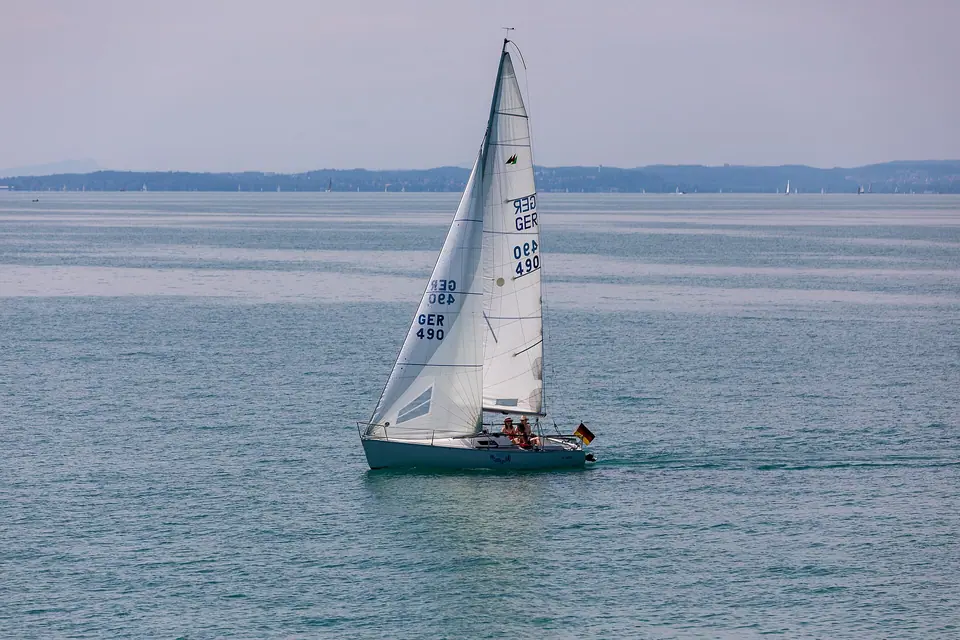
We use the term for production monohulls designed primarily for coastal cruising, weekending and family sailing. They are built in series, usually in fiberglass, with a fin keel and spade rudder, and they prioritize interior volume, easy handling and sensible pricing over all-out offshore strength or racing speed.
That separates them from two neighboring categories. Bluewater sailboats, such as the Hallberg-Rassy 44 or Pacific Seacraft 37, are heavier and built for ocean passages. Performance sailboats, such as the J/109 or X-Yachts X4.3, trade some comfort for speed and racing pedigree. Many cruising boats do cross oceans every year, but their design brief starts closer to home.
Each builder has a recognizable personality. The table summarizes how the main names in this category differ, using models we review in depth.
| Builder | Base | Models we cover | Known for |
|---|---|---|---|
| Beneteau | France | Oceanis 46.1, Oceanis 51.1, Oceanis Yacht 60 | Chined hulls, huge volume, strong dealer network |
| Jeanneau | France | Sun Odyssey 410, Sun Odyssey 440 | Walk-around side decks that ramp up to the cockpit |
| Hanse | Germany | Hanse 460 | Self-tacking jib, clean modern interiors |
| Dufour | France | Dufour 470 | Sporty lines, big cockpit with outdoor galley options |
| Bavaria | Germany | Bavaria C42 | Value pricing, roomy interiors |
| Catalina | USA | Catalina 22, 25, 27, 30, 320 | Simple, durable, huge owner community; production ended in 2025 |
| Hunter | USA | Hunter 33 | Arch-mounted mainsheet, accessible pricing |
| MacGregor | USA | MacGregor 26X | Water ballast and outboard power, trailerable |
Look at an Oceanis 46.1 or a Sun Odyssey 440 next to a cruiser from the 1990s and the difference is obvious. Modern hulls carry their maximum beam much further aft, often with a hard chine along the topsides. That shape adds interior volume aft, creates space for two large aft cabins and lets the boat stand up to wind on its chine rather than heeling as far.
Twin rudders come with that beam. When a wide-sterned boat heels, a single centerline rudder lifts toward the surface and loses grip, so the leeward rudder of a twin setup stays buried. The result is a boat that tracks well on a reach. The downsides are more parts to maintain, more vulnerability when drying out or grounding, and slightly less nimble handling under power in tight marinas.
Not every buyer needs a 40 footer. The Catalina 22, designed by Frank Butler and launched in 1969, reached roughly 15,000 boats before Catalina Yachts shut down in 2025, and used examples still sell quickly because they are simple, trailerable and supported by an active class association. The Catalina 25 and 27 add standing room in parts of the cabin and an enclosed head, and remain popular on lakes and bays.
The MacGregor 26X and its successor the 26M are a category of their own. Water ballast and an outboard of up to 50 horsepower let them motor at speeds no conventional sailboat can match, and they tow behind a full-size pickup. Purists criticize their sailing performance, but for lake sailors and road-trip cruisers they solve a real problem.
Most European cruisers are offered in several versions. A 46 footer such as the Oceanis 46.1 or Hanse 460 might come with three, four or five cabins and two or more heads. Charter companies buy the four- and five-cabin versions, so those dominate the used fleet. Private owners usually prefer three cabins with a larger owner's stateroom forward and more storage.
Older American boats like the Catalina 320 and Hunter 33 offer two cabins and one head, which suits a couple with occasional guests. Their teak-trimmed interiors feel more traditional, and their simpler systems are easier to maintain yourself.
Many production cruisers are sold with in-mast furling mainsails because they let a couple reef from the cockpit without leaving the helm. The trade-off is a flatter, smaller mainsail without battens and a mechanism that can jam if it is not used carefully. Classic slab-reefed mains with lazy jacks or a stack pack sail better and are easier to repair anywhere.
Self-tacking jibs, standard on Hanse and optional on many others, make short-tacking up a channel almost effortless. A genoa on a furler gives more power off the wind and in light air. For light-air sailing on the Chesapeake or Long Island Sound, a code zero or asymmetric spinnaker on a furler is one of the best upgrades you can buy.
Freshwater Great Lakes boats often look younger than their age because there is no saltwater corrosion, though they spend winters on the hard and may have short seasons of engine hours. Florida and Gulf boats live in heat and sun that punish canvas, wiring and teak, but they get used year round. Chesapeake and New England boats sit in between.
Consider draft carefully. Many European cruisers come with a shoal draft option that is well worth the small hit to upwind performance if you sail in Florida, the Bahamas or the Chesapeake's thinner creeks.
| Size | New | Used |
|---|---|---|
| Under 28 ft (trailerables and pocket cruisers) | $40,000 to $120,000 | $5,000 to $45,000 |
| 28 to 34 ft | $180,000 to $330,000 | $20,000 to $200,000 |
| 35 to 42 ft | $350,000 to $650,000 | $60,000 to $450,000 |
| 43 to 48 ft | $550,000 to $950,000 | $150,000 to $750,000 |
| 50 to 60 ft | $900,000 to $2,500,000 | $350,000 to $2,000,000 |
Typical US asking and sail-away ranges in 2026. Condition, engines and equipment move individual boats well outside these bands.
A used Catalina 22, 25 or 27 is a proven starter on lakes and bays. Couples who want overnight cruising on the coast often choose a 30 to 36 foot boat such as a Catalina 30 or Hunter 33.
New production cruisers around 40 feet typically cost $350,000 to $550,000 sail-away in 2026. Used 40 footers range from about $60,000 for an older boat to over $400,000 for a recent European model.
They are mass-produced to recognized standards and sail many thousands of miles every year in charter and private use. They are lighter than bluewater yachts, so heavy offshore use calls for careful preparation and inspection.
Many do, especially in organized rallies, after upgrades to rigging, steering, sails and safety gear. Their design brief is coastal cruising, so preparation matters more than on a purpose-built bluewater boat.
It makes reefing easier for short-handed crews but reduces sail shape and can jam if mishandled. Many experienced cruisers prefer a slab-reefed mainsail with lazy jacks.
A common rule of thumb is about 10 percent of the boat's value per year for slip, insurance, maintenance and haul-out, though older boats can cost a higher share and regional slip prices vary enormously.