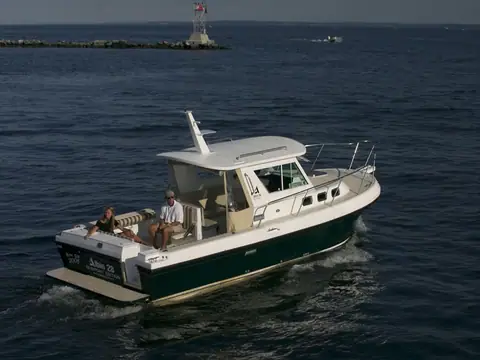
Albin 28 Tournament Express
Sportfishing Yachts, 30 ft
Used $35K to $95K
A sportfishing yacht is built to run far offshore at speed, fight a billfish or a giant tuna from a big open cockpit and bring the crew home in comfort. The American convertible, with its flybridge, tuna tower, large cockpit and full interior, is the classic of the type, and it is as much a part of East Coast and Gulf Coast boating culture as the lobster boat is to Maine.
Sportfishing Yachts, 30 ft
Used $35K to $95K
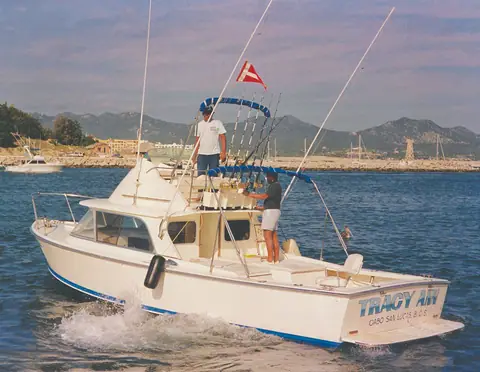
Sportfishing Yachts, 31 ft
Used $25K to $275K
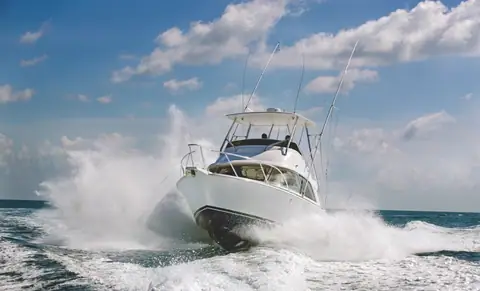
Sportfishing Yachts, 35 ft
Used $560K to $1.15M
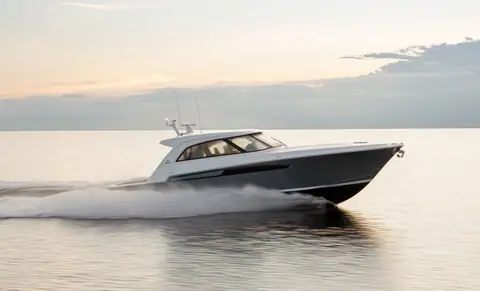
Sportfishing Yachts, 52 ft
Used $1.6M to $2.5M
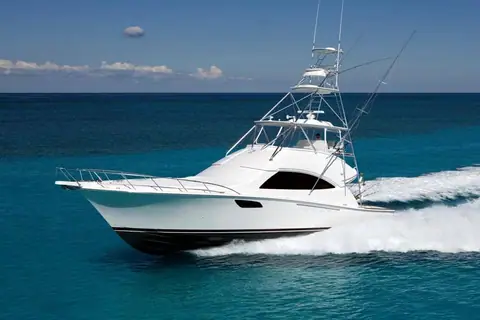
Sportfishing Yachts, 57 ft
Used $150K to $1.5M
Sportfishing Yachts, 28 ft
Used $45K to $130K
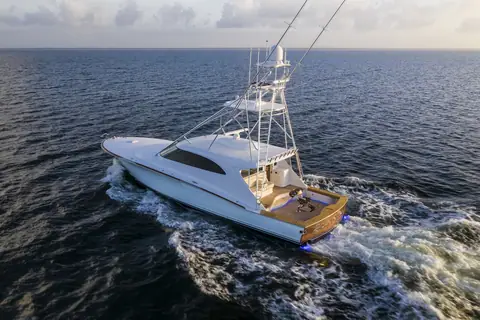
Sportfishing Yachts, 61 ft
Used $1.4M to $7M
Sportfishing Yachts, 53 ft
Used $85K to $300K
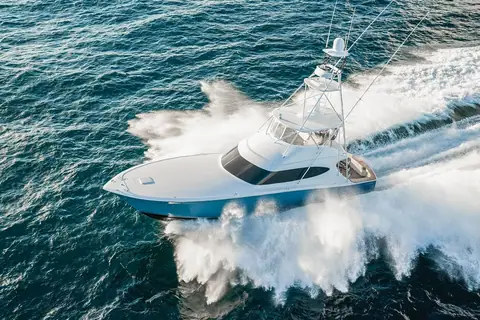
Sportfishing Yachts, 60 ft
Used $2.4M to $4.2M
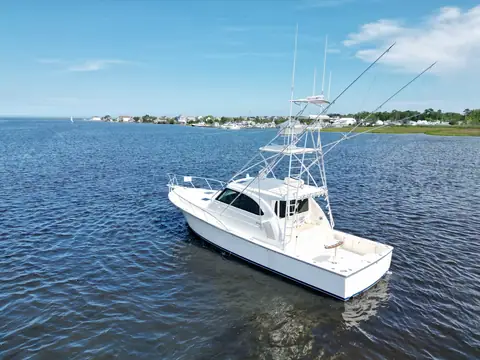
Sportfishing Yachts, 42 ft
Used $280K to $1M
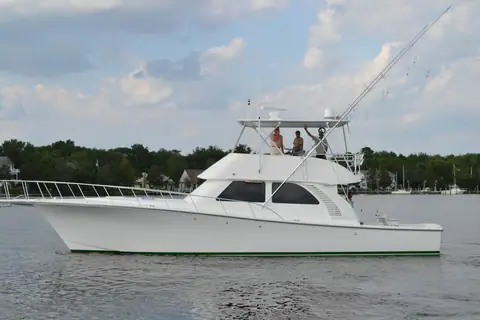
Sportfishing Yachts, 50 ft
Used $1.1M to $2.3M
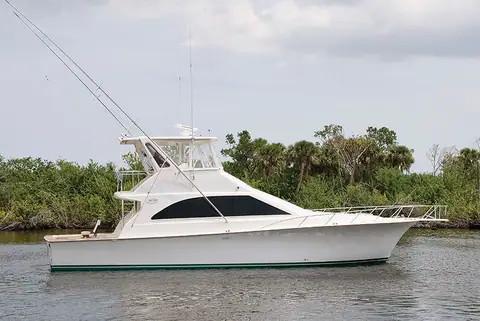
Sportfishing Yachts, 49 ft
Used $85K to $320K
Sportfishing Yachts, 47 ft
Used $55K to $190K
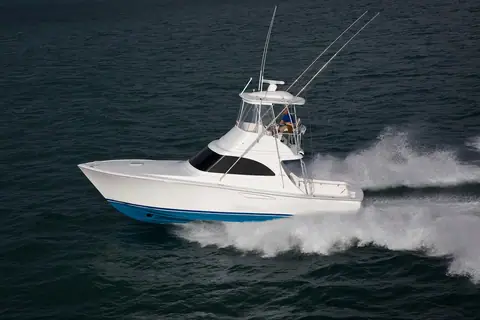
Sportfishing Yachts, 39 ft
Used $850K to $1.25M
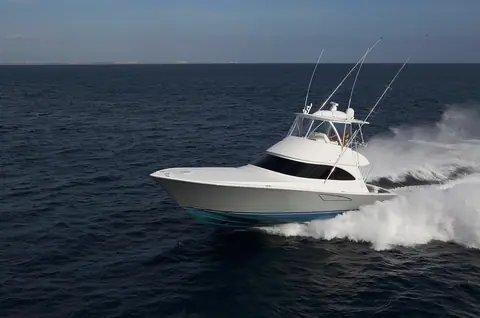
Sportfishing Yachts, 49 ft
Used $1.35M to $2.6M
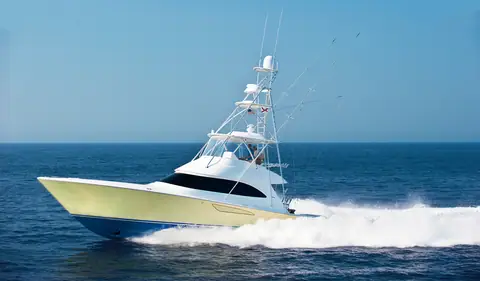
Sportfishing Yachts, 53 ft
Used $450K to $1.9M
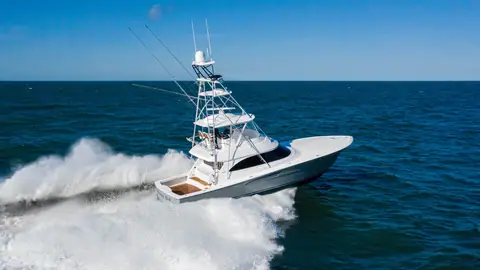
Sportfishing Yachts, 55 ft
Used $1.05M to $4M
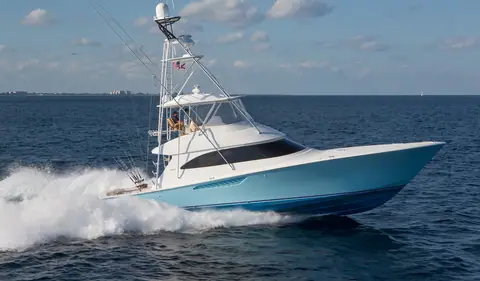
Sportfishing Yachts, 56 ft
Used $400K to $2.6M
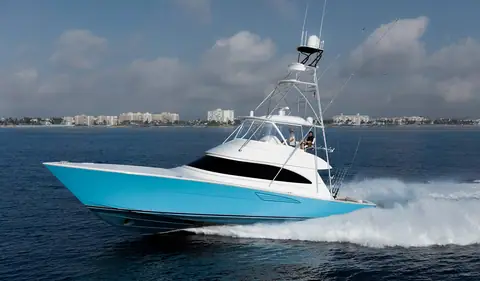
Sportfishing Yachts, 59 ft
Used $300K to $4.8M
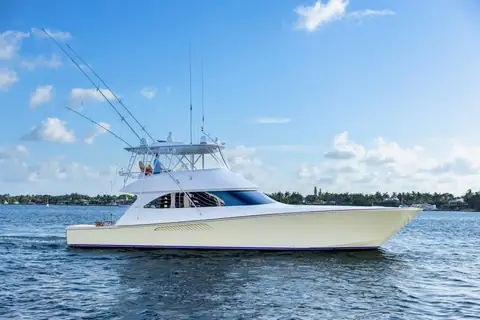
Sportfishing Yachts, 61 ft
Used $1.5M to $2.45M
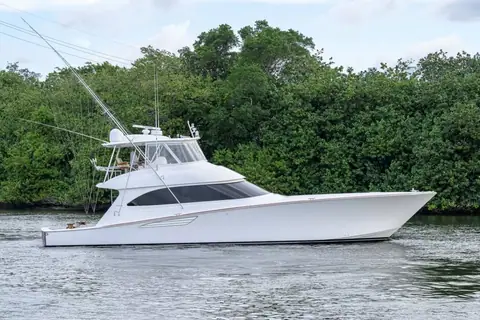
Sportfishing Yachts, 71 ft
Used $2.4M to $4.2M
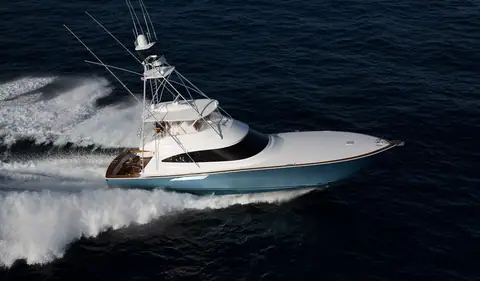
Sportfishing Yachts, 73 ft
Used $1.2M to $8.3M
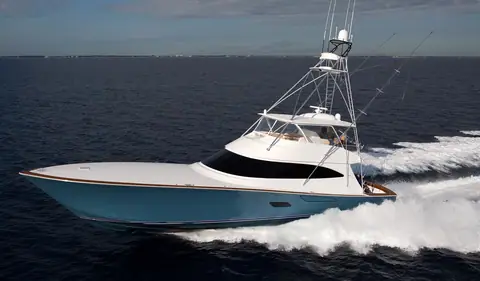
Sportfishing Yachts, 81 ft
Used $5.2M to $9M
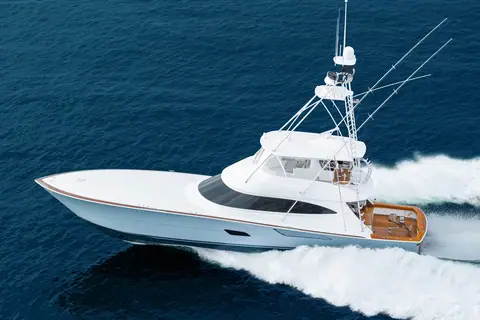
Sportfishing Yachts, 83 ft
Used $3.8M to $12.5M
No models match these filters. Clear a filter to see more.
The category is shaped by a handful of builders. Viking, based in New Gretna, New Jersey, is the largest name in production sportfish. Hatteras, in New Bern, North Carolina, built its reputation on heavily constructed convertibles. Bertram, born from Ray Hunt's deep-V hull, gave the world the Bertram 31 and came back in 2016 with the Michael Peters designed Bertram 35. Ocean Yachts and the Carolina custom builders fill out the market.
This guide covers layouts, the systems that matter to fishermen, ownership costs and what to inspect on a used boat that has been fished hard.
Layout determines both how you fish and how you live aboard. Convertibles, like the Viking 54, 58, 72 and 92 and the Hatteras GT59 (the 72, 92 and GT59 are now out of production), put a flybridge helm over a full saloon, galley and staterooms. Express and open boats, such as the now used-only Viking 38 Billfish, keep the helm on the main deck under a hardtop, trading interior space for lighter weight, a lower profile and a captain who can see the cockpit without turning around.
| Layout | Examples we review | Fishing strengths | Living aboard |
|---|---|---|---|
| Convertible | Viking 54, 58, 72 and 92 Convertible, Bertram 54, Hatteras GT59, Ocean Yachts 48 Super Sport | Flybridge visibility, big cockpit, tower | Full saloon, galley, multiple staterooms |
| Express or open | Viking 38 Billfish | Light, fast, helm close to the cockpit | Modest cabin for overnight trips |
| Classic and modern Bertram | Bertram 31, Bertram 35 | Deep-V offshore hulls, Hunt's original and Michael Peters' 2016 update | Simple cabins, suited to day fishing |
| Yacht fisherman | Hatteras 53 Yacht Fisherman | Fishable cockpit on a cruising yacht | Comfortable motor yacht interior |
The best offshore fishing is often 50 to 100 miles out, at the edge of the continental shelf or in the Gulf Stream. Sportfish yachts are designed to get there quickly and safely, with modified-V or deep-V hulls, fine entries and powerful diesels. Many modern convertibles cruise in the 30s and reach top speeds near 40 knots.
That speed burns a lot of fuel. Large convertibles with twin diesels of 1,500 horsepower or more can burn well over 100 gallons per hour at fast cruise. Fuel budgets for tournament seasons are a major part of ownership costs.
A sportfish cockpit is designed around the fight. A fighting chair, rod holders, livewells, fish boxes, tackle centers and bait freezers are standard on larger boats. Mezzanine seating gives guests a shaded view of the action. Tuna towers and outriggers let the crew spot fish and spread baits.
Smart builders hide the engine room access under the cockpit sole or behind the mezzanine, and keep cockpit drains large enough to clear water quickly when backing down hard on a fish.
Viking builds most of its components in-house and has built everything from the 38 Billfish to the 92 Convertible. Both have since left the lineup (the Billfish range now starts at 46 feet), while the 54 and 58 Convertibles remain in production. Hatteras, founded in 1959 by Willis Slane, became famous for its early fiberglass convertibles and heavy construction. Bertram's legacy comes from Ray Hunt's deep-V design, which made the Bertram 31 one of the most influential offshore boats ever built.
North Carolina's custom builders, small yards producing a few cold-molded or composite boats a year, are known for distinctive flared bows and individual finishes. Their boats command strong prices but are less standardized, so survey and builder reputation matter even more.
Many large sportfish yachts are run by professional captains and mates, especially boats over about 50 feet that travel between tournaments on the East Coast, Gulf, Bahamas and Caribbean. Crew salaries, fuel, dockage at tournament ports, tackle, bait and entry fees add up quickly.
Owners who fish locally from a home port can operate a 35 to 45 footer themselves, but larger convertibles are usually crewed. Plan your budget around how you will actually fish.
Sportfish owners plan their year around migrations. A common East Coast pattern runs from winter sailfish off South Florida and the Bahamas, through spring billfish in the Caribbean, to summer canyon fishing for tuna and marlin from the Outer Banks to Montauk. Gulf Coast boats work the deep water off Louisiana, Alabama and Texas, where long runs to oil rigs and floating structure make range important.
That travel shapes the boat you need. A crew that relocates for each season wants fuel capacity, comfortable crew quarters and reliable systems. An owner who fishes from one port can buy a smaller, simpler boat and put the savings into tackle and fuel.
The Bertram 31, built from the early 1960s into the 1980s, remains a cult boat. Restored or repowered examples sell for strong money, while tired originals can be bought cheaply. The modern Bertram 35, a 2016 Michael Peters design built in Tampa, is a new flybridge day fisherman drawn to look and run like the 31 rather than a restoration candidate. Restoration projects can easily exceed the value of the finished boat, so choose a hull that has already been refit or buy with a clear budget.
Sportfish yachts run fast and far, so engine hours accumulate quickly. Get oil analysis and a separate engine survey from a specialist in the engine brand. Inspect generators, which run for long hours on tournament boats, and check the hull for stress cracks and repaired damage from backing down on fish or hitting debris at speed.
Inspect the tower, outriggers and cockpit hardware for corrosion and loose fittings. Check for water intrusion around the fighting chair base and other heavily loaded hardware.
| Size | New | Used |
|---|---|---|
| 30 to 40 ft | $900,000 to $2,000,000 | $40,000 to $1,400,000 |
| 41 to 55 ft | $2,000,000 to $5,500,000 | $250,000 to $4,200,000 |
| 56 to 72 ft | $4,500,000 to $12,000,000 | $800,000 to $9,500,000 |
| 75 to 92 ft | $10,000,000 to $22,000,000 | $4,000,000 to $17,000,000 |
Typical US asking and sail-away ranges in 2026. Condition, engines and equipment move individual boats well outside these bands.
A convertible is a sportfish yacht with a flybridge helm above a full interior and a large cockpit for fishing. Viking and Hatteras are the best-known builders.
New 50 to 60 foot convertibles typically cost about $3 million to $7 million in 2026. Used sportfish start under $100,000 for classic Bertrams.
Many modern convertibles cruise in the 30s and reach top speeds near 40 knots, depending on size and power.
Many owners run boats up to about 45 feet themselves. Larger convertibles used for tournaments usually have a professional captain and mate.
It brought Ray Hunt's deep-V hull to production sportfishing and set the standard for offshore rough-water performance. Restored examples still sell well.
Many anglers fish the offshore canyons in well found boats from about 35 feet, but most crews prefer 45 feet and up for comfort and safety on long runs in changing weather.