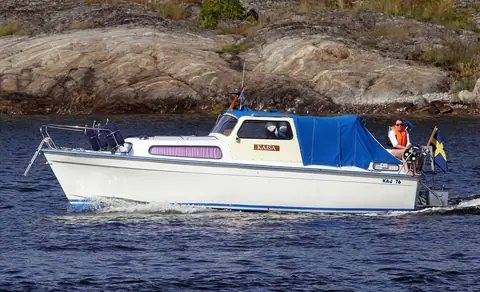
Albin 25
Trawlers & Explorer Yachts, 25 ft
Used $6K to $25K
A trawler yacht is built around a simple idea: go slowly, go far and live comfortably while doing it. Inspired by working fishing trawlers, these boats use full or semi-displacement hulls, efficient diesel engines and large fuel tanks to cruise for hundreds or thousands of miles between fill-ups. For many American cruisers, particularly retirees doing the Great Loop or heading to the Bahamas, Alaska or the Pacific Northwest, a trawler is the natural endgame.
Trawlers & Explorer Yachts, 25 ft
Used $6K to $25K
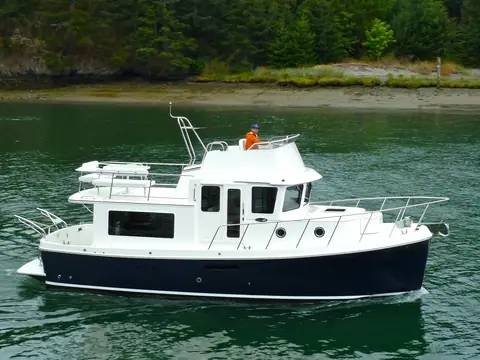
Trawlers & Explorer Yachts, 37 ft
Used $180K to $500K
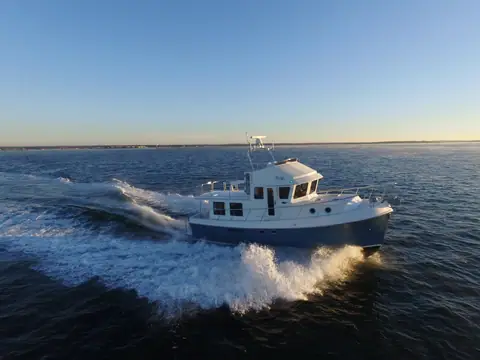
Trawlers & Explorer Yachts, 44 ft
Used $330K to $1M
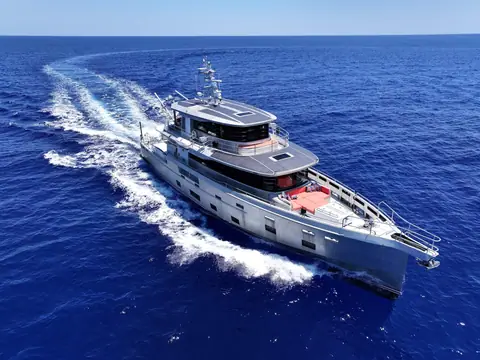
Trawlers & Explorer Yachts, 90 ft
Used $9M to $12M
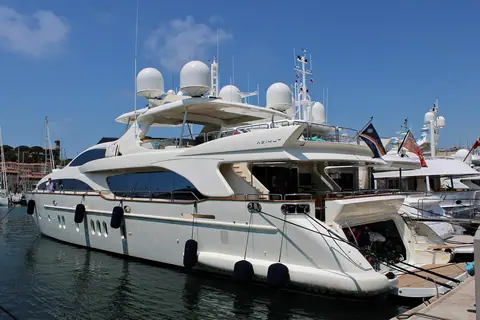
Trawlers & Explorer Yachts, 45 ft
Used $400K to $1M
Trawlers & Explorer Yachts, 55 ft
Used $650K to $1.35M
Trawlers & Explorer Yachts, 66 ft
Used $1.3M to $3.2M
Trawlers & Explorer Yachts, 80 ft
Used $1.8M to $2.9M
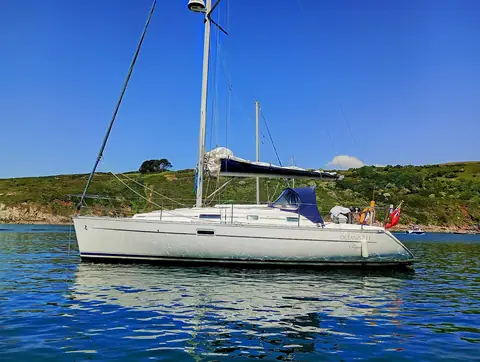
Trawlers & Explorer Yachts, 62 ft
Used $1.75M to $2.45M
Trawlers & Explorer Yachts, 33 ft
Used $170K to $260K
Trawlers & Explorer Yachts, 36 ft
Used $150K to $270K
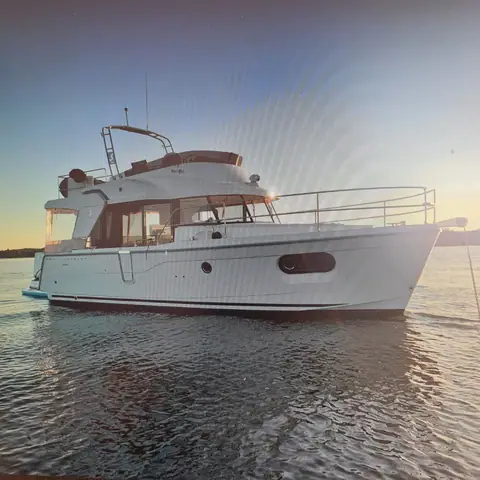
Trawlers & Explorer Yachts, 37 ft
Used $290K to $520K
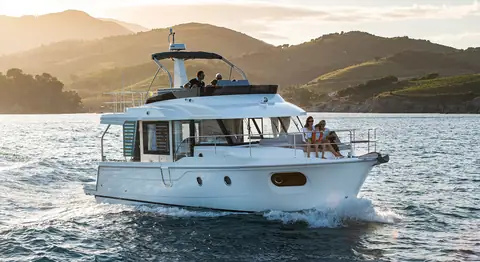
Trawlers & Explorer Yachts, 44 ft
Used $450K to $760K
Trawlers & Explorer Yachts, 46 ft
Used $250K to $440K
Trawlers & Explorer Yachts, 48 ft
Used $720K to $1.05M
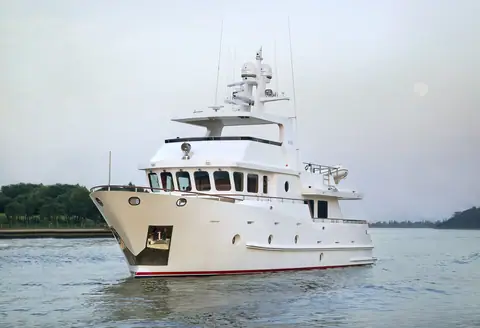
Trawlers & Explorer Yachts, 74 ft
Used $2.3M to $3.6M
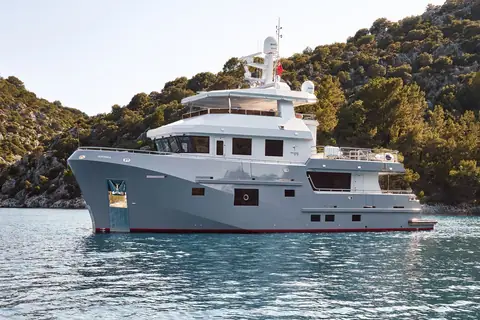
Trawlers & Explorer Yachts, 78 ft
Used $3.5M to $5.5M
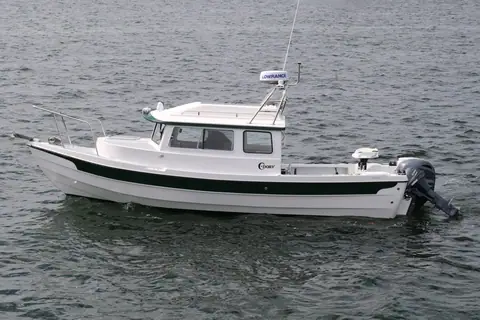
Trawlers & Explorer Yachts, 22 ft
Used $18K to $110K
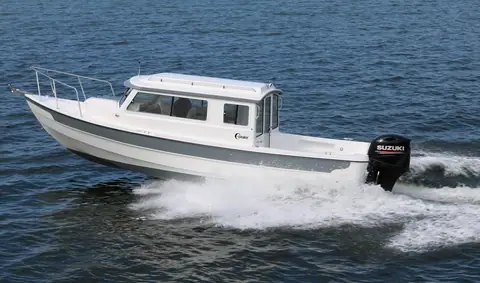
Trawlers & Explorer Yachts, 25 ft
Used $40K to $175K
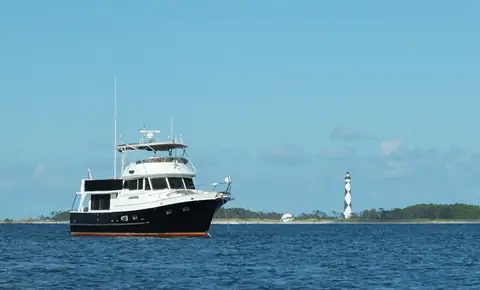
Trawlers & Explorer Yachts, 50 ft
Used $140K to $420K
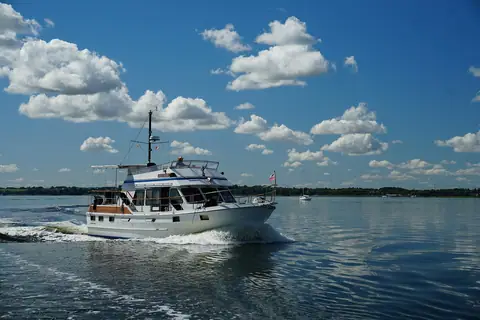
Trawlers & Explorer Yachts, 45 ft
Used $240K to $700K
Trawlers & Explorer Yachts, 65 ft
Used $1.9M to $2.7M
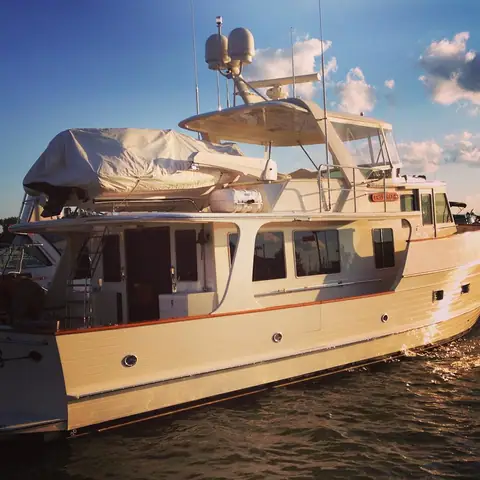
Trawlers & Explorer Yachts, 61 ft
Used $650K to $3.3M
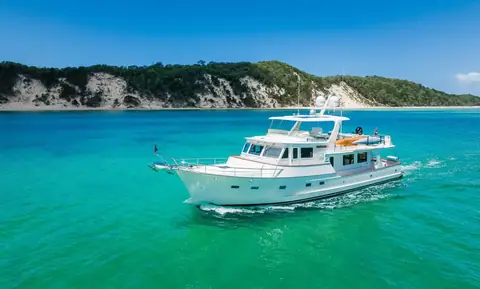
Trawlers & Explorer Yachts, 71 ft
Used $1.8M to $6M
No models match these filters. Clear a filter to see more.
The category spans small trailerable tugs such as the Ranger Tugs R-23 and R-27, coastal cruisers like the Mainship 34 and 390 and the Beneteau Swift Trawler 41, classic Grand Banks and DeFever yachts, semi-displacement Flemings and ocean-crossing passagemakers from Nordhavn and Kadey-Krogen.
This guide explains hull types, range, layouts and the trade-offs, with price bands and the inspections that matter on an older trawler.
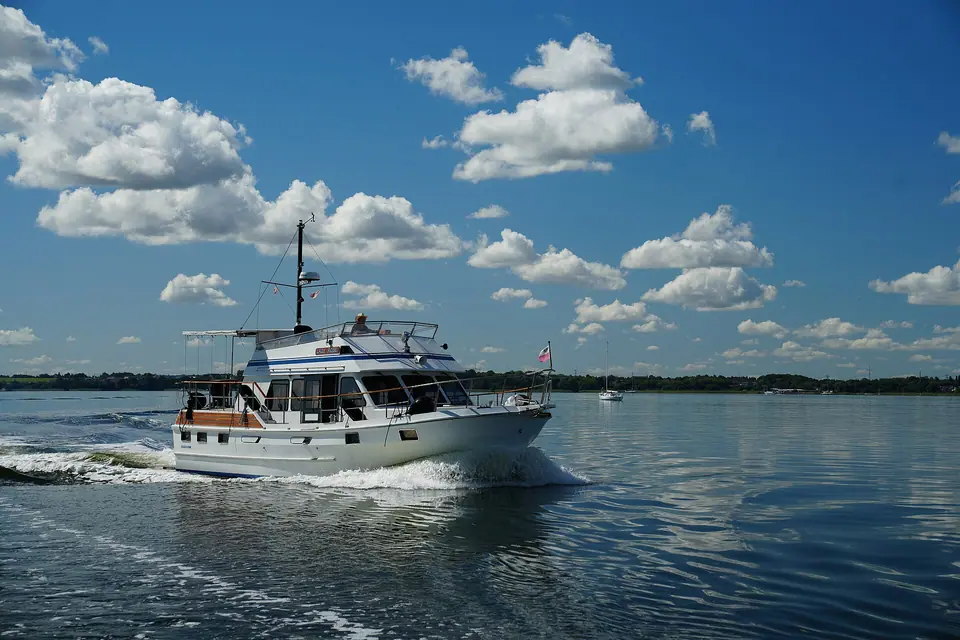
A displacement hull is limited by its waterline length. The classic hull speed formula is 1.34 times the square root of the waterline length in feet. A trawler with a 40 foot waterline therefore has a hull speed of about 8.5 knots. Pushing beyond that requires much more power for little gain, because the hull is effectively climbing its own bow wave.
Accepting that limit is what makes trawlers so efficient. A full-displacement trawler cruising at or a bit below hull speed burns a fraction of the fuel of a planing yacht, which is why passagemakers can cross oceans on a single tank load. Slowing down by a knot often extends range dramatically.
Not every boat called a trawler is a full displacement passagemaker. Many are semi-displacement designs that can cruise efficiently at 7 to 9 knots or run at 14 to 20 knots when needed. The table summarizes the main families.
| Hull family | Typical cruise | Examples we review | Best for |
|---|---|---|---|
| Full displacement passagemaker | 7 to 9 knots | Nordhavn 41, 43, 47, 57, Kadey-Krogen 42, 44 AE | Ocean crossings, long-range cruising, liveaboards |
| Semi-displacement trawler | 8 to 9 knots economical, 14 to 20 knots fast | Grand Banks 42 and 49 Classic, Fleming 55 and 65, DeFever 49 Pilothouse | Coastal cruising with speed in reserve |
| Fast trawler | Up to the high teens or 20s | Grand Banks 60 (a planing hull), Beneteau Swift Trawler 41 | Owners who want trawler style with planing speed |
| Coastal trawler | 7 to 15 knots | Mainship 34 Trawler, Mainship 390 Trawler | Great Loop, Intracoastal Waterway, budget cruising |
| Pocket tug | Varies with outboard or inboard power | Ranger Tugs R-23, R-27, R-31 | Trailerable cruising, couples, lakes and rivers |
Pacific Asian Enterprises, the California company behind Nordhavn, was incorporated in 1978 and built its reputation on full displacement yachts designed to cross oceans. In 2001 and 2002, a Nordhavn 40 circumnavigated the globe, covering more than 24,000 nautical miles in some 170 days at sea, and showed that a production powerboat could make long ocean passages safely.
That voyage helped create a market for recreational passagemakers. Kadey-Krogen, with full displacement designs and a loyal liveaboard following, competed in the same space until Power and Motoryacht reported in 2026 that it would file for Chapter 7 and was out of production. We review boats from both builders, from the Nordhavn 41 (production ended in 2026 after 44 hulls) and Kadey-Krogen 42 to the Nordhavn 57.
Most American trawlers never cross an ocean. They cruise the Intracoastal Waterway, the Chesapeake, the Bahamas and the Great Loop, the circumnavigation of eastern North America via the Atlantic, Great Lakes, inland rivers and Gulf. For that use, the key numbers are draft, air draft and comfort rather than ocean range.
The Loop's fixed bridge clearance of about 19 feet means masts, radar arches and flybridge hardtops must fold or fit beneath it. Draft under about 5 feet keeps more anchorages and marinas available. Boats such as the Mainship 34 and 390, Beneteau Swift Trawler 41 and Ranger Tugs are popular loopers for that reason.
Full displacement trawlers often use a single diesel with a protected propeller behind a full keel, plus a wing engine or get-home system for redundancy. Single engines are more efficient and cheaper to maintain. Twin engines, common on semi-displacement trawlers like Grand Banks and Fleming, provide redundancy and better low-speed handling without thrusters.
Stabilizers, either active fins or gyros, transform comfort on displacement hulls, which can roll in beam seas. Nearly all serious passagemakers have them. Check the age and service history of stabilizer systems, as repairs can be expensive.
Not everyone wants a 45 foot boat with a 20,000 dollar annual maintenance bill. Ranger Tugs, built in Kent, Washington, packs trawler styling, a cabin, a galley and a head into boats from the trailerable R-23 to the R-31. Many are now outboard powered, which keeps maintenance simple and lets them run faster than a true displacement trawler when the weather turns.
Pocket tugs appeal to couples who cruise for a few weeks at a time, to lake and river boaters, and to people who want to trailer to the San Juan Islands one summer and the Florida Keys the next. Their limits are interior volume, tankage and comfort in open water, so they suit protected cruising grounds best.
The 1970s and 1980s produced a huge number of affordable trawlers built in Taiwan, often with teak decks, heavy wood interiors and black iron fuel tanks. Many are still cruising and offer excellent value, but they need careful inspection. Teak decks leak through fastener holes into balsa or plywood cores, iron tanks corrode from the outside, and window frames can leak into the structure.
Classic Grand Banks yachts, built in Asia from the 1960s onward, and DeFever designs are sought after when well maintained. Budget realistically for refit work on any trawler more than 25 years old.
| Size | New | Used |
|---|---|---|
| Pocket tugs under 32 ft | $180,000 to $500,000 | $60,000 to $380,000 |
| 33 to 40 ft | $650,000 to $1,300,000 | $70,000 to $850,000 |
| 41 to 50 ft | $1,300,000 to $3,500,000 | $150,000 to $2,700,000 |
| 51 to 65 ft | $3,000,000 to $8,500,000 | $600,000 to $6,500,000 |
| Explorer yachts over 65 ft | $7,000,000 to $20,000,000+ | $2,500,000 to $14,000,000 |
Typical US asking and sail-away ranges in 2026. Condition, engines and equipment move individual boats well outside these bands.
A trawler yacht is a long-range cruising powerboat inspired by fishing trawlers, using a full or semi-displacement hull and efficient diesel power. Nordhavn and Grand Banks are well-known builders, and Kadey-Krogen boats remain popular on the used market.
Full displacement trawlers usually cruise at 7 to 9 knots. Semi-displacement trawlers can cruise at similar speeds or run at 14 to 20 knots when needed.
New 41 to 50 foot trawlers typically cost about $1.3 million to $3.5 million in 2026. Used trawlers of that size range from about $150,000 for older boats to over $2 million.
Purpose-built passagemakers such as Nordhavn and some Kadey-Krogen models can. A Nordhavn 40 circumnavigated the world in 2001 and 2002.
Popular choices include Mainship 34 and 390 trawlers, Beneteau Swift Trawler 41, Ranger Tugs and Grand Banks 42s. Look for air draft under about 19 feet and modest draft.
Yes, many passagemakers use a single engine with a protected propeller and a backup get-home system. Good maintenance and fuel management matter more than engine count.