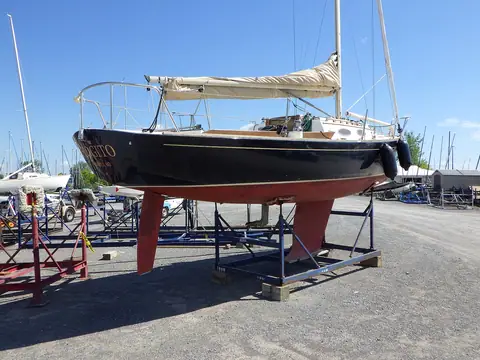
Alerion 28
Performance Sailboats, 28 ft
Used $38K to $95K
Performance sailboats are built for people who care how the boat feels on the wheel or tiller. They are lighter for their length than cruising boats, carry more sail, use deeper and more efficient keels, and respond to good trim. Some are pure one-design racers, some are racer cruisers that can win a Wednesday night race and still take a family away for a weekend, and some are elegant daysailers designed for an afternoon of sailing well.
Performance Sailboats, 28 ft
Used $38K to $95K
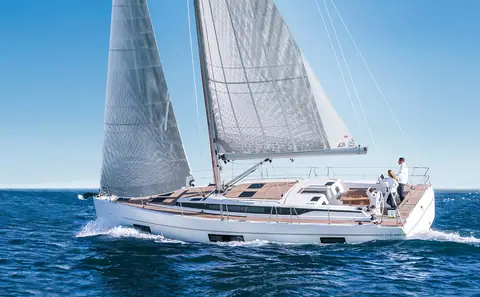
Performance Sailboats, 35 ft
Used $45K to $75K
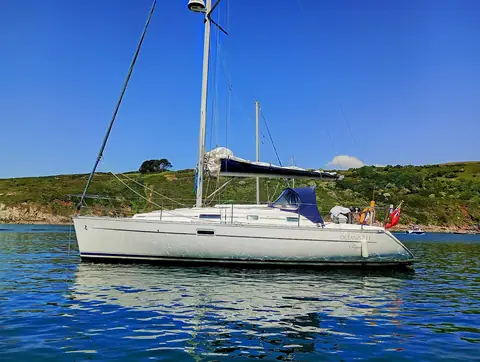
Performance Sailboats, 18 ft
Used $15K to $38K
Performance Sailboats, 21 ft
Used $19K to $37K
Performance Sailboats, 21 ft
Used $12K to $26K
Performance Sailboats, 24 ft
Used $45K to $90K
Performance Sailboats, 25 ft
Used $5K to $15K
Performance Sailboats, 26 ft
Used $15K to $55K
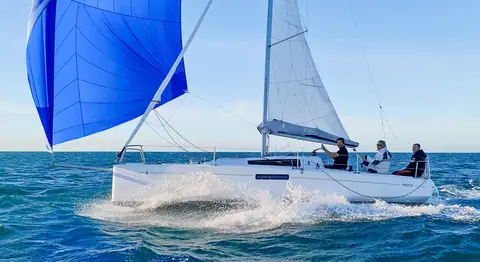
Performance Sailboats, 26 ft
Used $55K to $130K
Performance Sailboats, 28 ft
Used $25K to $55K
Performance Sailboats, 31 ft
Used $150K to $195K
Performance Sailboats, 32 ft
Used $30K to $78K
Performance Sailboats, 36 ft
Used $95K to $165K
Performance Sailboats, 36 ft
Used $250K to $360K
Performance Sailboats, 36 ft
Used $55K to $105K
Performance Sailboats, 40 ft
Used $28K to $65K
Performance Sailboats, 41 ft
Used $135K to $235K
Performance Sailboats, 40 ft
Used $65K to $130K
Performance Sailboats, 46 ft
Used $400K to $630K
Performance Sailboats, 46 ft
Used $185K to $290K
Performance Sailboats, 49 ft
Used $125K to $190K
Performance Sailboats, 56 ft
Used $720K to $1.05M
Performance Sailboats, 21 ft
Used $9K to $20K
Performance Sailboats, 23 ft
Used $5K to $14K
No models match these filters. Clear a filter to see more.
In the United States this category is shaped above all by J/Boats, the Rhode Island company founded by the Johnstone family after Rod Johnstone's J/24 became one of the most popular keelboats ever built. Around the J/Boats fleets you will find European performance cruisers such as the X-Yachts X4.3 and the Swan 48, smaller boats such as the Beneteau First 27, and refined daysailers led by the Alerion 28.
This page explains the main segments, why class racing matters for resale, and how to inspect a boat that has been sailed hard.
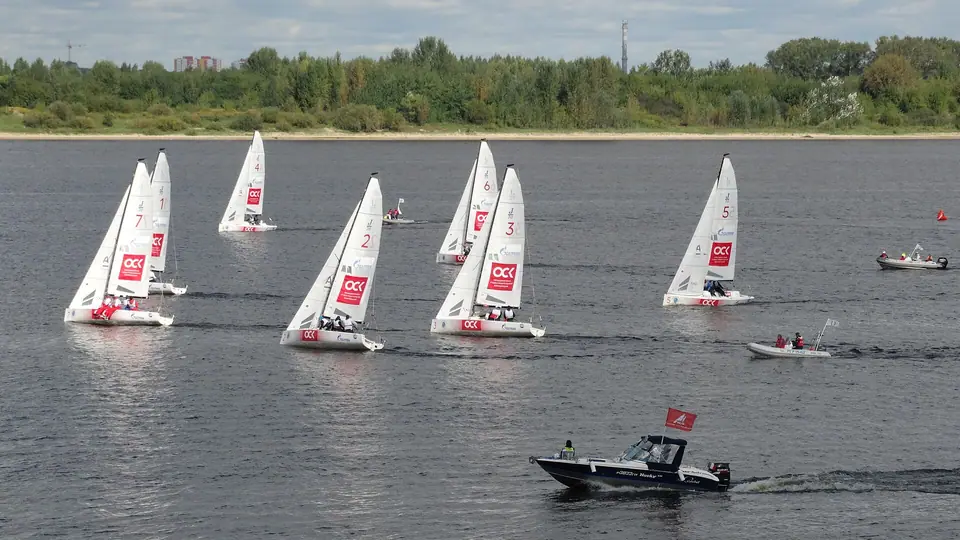
Sportboats such as the J/70 and J/80 are light, trailerable keelboats with big asymmetric spinnakers and minimal interiors. They plane downwind in a breeze and are raced by crews of three to five. Racer cruisers such as the J/105, J/109, J/111 and X-Yachts X4.3 have proper interiors with galleys, heads and berths, but keep a racing-grade deck layout and a powerful rig.
Performance daysailers form a third branch. The Alerion 28, drawn by Carl Schumacher and first built in 1989, is the classic example, with a long cockpit, a self-tacking jib option and lines that recall Herreshoff's early twentieth century designs. These boats are built to sail beautifully with one or two people aboard rather than to win trophies.
In a one-design class, every boat is built to the same specification and raced without handicap, so the first boat across the line wins. That simplicity attracts competitors, and an active class creates a steady market of buyers and sellers who know exactly what the boat is worth.
The J/24, designed by Rod Johnstone in the mid 1970s, passed 5,000 boats built and still supports active fleets. The J/105, introduced in 1991 as the first production boat with a retractable bowsprit, became the largest one-design keelboat class over 30 feet in the US. The J/70, designed by Alan Johnstone and first built in 2012, grew into one of the world's busiest sportboat classes, with well over a thousand boats built within its first several years.
If you want to race, buy a boat with a strong local fleet. A rare design may be fast, but it will race under handicap and may be harder to sell.
J/Boats offers a step for nearly every stage of a sailor's life. The table summarizes the models we review, all of which have active owner communities in the US. Only the J/70, J/111 and (in limited numbers) the J/80 are still built; the rest are bought used.
| Model | Era | Character | Typical racing crew | Where it fits |
|---|---|---|---|---|
| J/22 | From 1983, now out of production | Small keelboat, tiller steered | 3 | Club racing, match racing, training |
| J/24 | From 1977, now out of production | Classic one-design keelboat | 5 | Budget one-design racing worldwide |
| J/70 | From 2012 | Planing sportboat, trailerable | 4 | Big-fleet regattas, family racing |
| J/80 | From 1993, limited production | Sportboat with small cabin | 3 to 4 | One-design and casual sailing |
| J/88 | From 2013, now out of production | Pocket racer cruiser with inboard | 4 to 5 | Club racing and weekending |
| J/105 | From 1991, now out of production | Racer cruiser, retractable sprit | 5 to 6 | Large one-design fleets, short-handed cruising |
| J/109 | 2001 to 2012 | Racer cruiser with full interior | 6 to 8 | Offshore and buoy racing, family cruising |
| J/111 | From 2010 | Lightweight racer, minimal interior | 6 to 7 | Competitive one-design and distance racing |
Boats without an active local one-design class race under handicap systems. PHRF is the most common in the US, assigning each design a rating in seconds per mile. ORC and other measurement systems are used at larger regattas and offshore events, and are more precise but more complex.
European performance cruisers such as the X-Yachts X4.3 and the Swan 48 usually race under handicap. Both combine strong offshore construction with racing pedigree, making them attractive to owners who want to do events such as the Newport Bermuda Race and still cruise in comfort. The Beneteau First 27, a compact sportboat with a small cabin, races in one-design events in some regions and under handicap elsewhere.
Older racing boats carried symmetric spinnakers on a pole, which required a skilled foredeck crew and plenty of practice. The retractable bowsprit and asymmetric spinnaker made downwind sailing much easier and safer for small crews, and most modern performance boats now use them.
For a buyer, this means modern boats are easier to race short-handed and to sail with family. It also means sail inventories are different, with asymmetric spinnakers, code zeros and jibs replacing the old pole-and-guy gear.
The cheapest way into competitive sailing is still an older one-design keelboat. Used J/24s and J/22s often sell for less than a new compact car, and because the classes limit expensive changes, a well prepared older hull with good sails can still finish near the front of a club fleet.
The real costs are sails, haul-outs and travel. A regatta-ready set of class sails, a trailer that can survive the highway, and entry fees for a season of events will add up quickly, so budget for them before you commit. Crewing on someone else's boat for a season first is the best way to learn whether you enjoy the commitment.
Racing boats work harder than cruising boats. Rig loads are higher, crews are heavier on the rail, and groundings at a mark are common. That does not make a raced boat a bad buy, but it changes what you check.
| Size | New | Used |
|---|---|---|
| Sportboats under 25 ft | $65,000 to $120,000 | $8,000 to $90,000 |
| 26 to 30 ft | $150,000 to $320,000 | $30,000 to $240,000 |
| 31 to 36 ft racer cruisers | $350,000 to $600,000 | $60,000 to $350,000 |
| 40 to 50 ft performance cruisers | $750,000 to $3,000,000 | $250,000 to $2,200,000 |
Typical US asking and sail-away ranges in 2026. Condition, engines and equipment move individual boats well outside these bands.
It is a boat designed to race competitively while still offering an interior for cruising, such as the J/105, J/109 or X-Yachts X4.3. It is lighter and faster than a typical cruiser but more comfortable than a pure racer.
The best choice is the class with the strongest fleet near you. The J/70, J/105, J/24 and J/22 have large US fleets.
New J/70s are typically around $75,000 to $95,000 ready to race in 2026, depending on sails and options. Used boats with good sails often trade between about $30,000 and $70,000.
Yes, racer cruisers such as the J/109 and X4.3 have galleys, heads and berths. Pure sportboats like the J/70 have very basic interiors and are best for day sailing.
PHRF, or Performance Handicap Racing Fleet, is the most common handicap system in the US, giving each design a rating in seconds per mile so different boats can race together.