Buying
How to Buy a Used Yacht, Step by Step
A step-by-step walkthrough of buying a used yacht in the US, from setting a real budget to closing, documentation and the first weeks of ownership, with the red flags that should stop a deal.
On this page
- Step 1. Define the mission and the total budget
- Step 2. Arrange financing and an insurance quote early
- Step 3. Search smart and learn the real market
- Step 4. Decide whether to use a buyer's broker
- Step 5. Look at the boat like a buyer, not a guest
- Step 6. Make an offer with the right contingencies
- Step 7. Survey and sea trial, the heart of the deal
- Step 8. Accept, renegotiate or walk away
- Step 9. Closing, title and documentation
- Step 10. Taxes, delivery and the first month
- FAQ
Step 1. Define the mission and the total budget
Every good used yacht purchase starts with a sentence describing how the boat will be used. Something like: weekends on Long Island Sound with four adults, one or two weeks a year to Block Island and Martha's Vineyard. That sentence rules out more boats than any spreadsheet and keeps you from buying for a rare dream trip.
Then build a total budget. The purchase price is only one line. Add sales or use tax for the state where the boat will be kept, survey and haul-out, engine and rigging inspections, delivery, registration and documentation, and a first-year reserve. On a well-kept boat under ten years old, 10 to 15 percent above purchase price is often enough. On an older boat, especially one with original sails, rigging, canvas or electronics, setting aside 20 to 30 percent is realistic. Our guide on yacht ownership costs covers the ongoing budget.
Step 2. Arrange financing and an insurance quote early
Marine lenders typically want a down payment of around 10 to 20 percent, a credit review, and a satisfactory survey on the specific boat. Some limit the age of boats they will finance, often around 20 to 25 years, and longer terms are usually reserved for larger loans. Getting pre-approved tells you what you can actually spend and makes your offer more credible.
Insurance can be harder than financing for older boats, larger boats, or buyers stepping up significantly in size. Call a marine insurance specialist with the type, size and age you are considering. If a carrier will only write the policy with a hired captain for the first season, or excludes your intended cruising area during hurricane season, you want to know that before you sign anything. Our yacht loans and yacht insurance guides go into detail.
Step 3. Search smart and learn the real market
Most used yachts in the US are listed by brokers on the large listing networks, with private sales common under about $100,000. Search widely at first, then narrow to two or three models and learn them thoroughly: known weaknesses, engine options, model-year changes and what owners say in forums and owner associations.
Asking prices are wishes. A buyer's broker can pull sold boat data showing what comparable boats actually closed for, which is the single most useful number in any negotiation. Watch how long boats have been listed and how often they have been reduced.
- Compare the same model within three or four model years, adjusting for engine hours, equipment and refits.
- Note the region. Freshwater boats from the Great Lakes and inland lakes usually show less corrosion than saltwater boats of the same age.
- Ex-charter boats can be good value but carry heavy use. Price them accordingly.
- Ask for maintenance records before traveling to see a boat. Thin records are a warning sign on any yacht with diesels.
Step 4. Decide whether to use a buyer's broker
In the US, the seller usually pays the brokerage commission, commonly around 10 percent of the sale price, and it is typically split between the listing broker and the broker representing the buyer. That means a buyer's broker usually costs you nothing directly, while giving you someone whose job is to represent your interests, pull sold comparables, recommend surveyors and manage the paperwork.
The listing broker represents the seller. They can be helpful and honest, but their duty runs to their client. If you buy without your own broker, you take on the research, escrow and closing coordination yourself or through a documentation agent or maritime attorney. Look for a broker who is a member of a professional association such as YBAA or CYBA and who knows the type of boat you are buying.
Step 5. Look at the boat like a buyer, not a guest
Your first viewing is not a survey, but it can save you the cost of one. Spend an hour looking for problems before you fall for the cockpit or the saloon. Open every locker and hatch, turn on systems, and look in the bilge and engine room with a flashlight.
| Red flag | What it can mean | How serious |
|---|---|---|
| Soft or spongy deck areas | Wet core from leaking fittings | Expensive if widespread; repair is labor-intensive |
| Rust streaks or weeping at chainplates | Water intrusion and possible corrosion of chainplates or knees | Serious on sailboats; inspect thoroughly |
| Oily bilge or fresh oil under engines | Leaking seals, gaskets or worse | Ranges from minor to major; engine survey needed |
| Cracks around keel joint or a smile at the keel | Grounding damage or loose keel bolts | Must be investigated before purchase |
| Blistering on the bottom | Osmotic moisture in the laminate | Usually cosmetic; extensive cases can be costly |
| Water staining on headliners and cabinetry | Long-term deck or window leaks | Often fixable but may hide core damage |
| Mismatched or amateur wiring | Unsafe electrical modifications | Safety issue; budget for rewiring |
| No maintenance records | Unknown history | Increases risk on every system |
Step 6. Make an offer with the right contingencies
A US yacht offer is normally made on a written purchase and sale agreement, often based on a standard industry form, with a deposit (commonly 10 percent of the offer price) held in the broker's escrow account. The agreement names the price, the inventory included, the closing date and location, and the conditions under which you can walk away and get your deposit back.
The essential contingency is acceptance after survey and sea trial. That wording lets you reject the boat, or propose a revised price, based on what the inspections find. Set realistic deadlines, often two to three weeks for survey and sea trial, and make sure the inventory list includes the tender, electronics, spares and anything else you expect to stay with the boat.
Step 7. Survey and sea trial, the heart of the deal
Hire an accredited marine surveyor who works for you, not the seller. A pre-purchase survey covers the hull, deck, structure, systems and safety equipment, usually with a haul-out to inspect below the waterline. On diesel-powered boats, hire a separate engine surveyor who will check the engines and generator, take oil samples for laboratory analysis, and run the engines under load during the sea trial. On sailboats, add a rigging inspection, ideally with someone going aloft.
The sea trial should run the boat as you would: engines at idle, cruise and wide open throttle for a short period on power boats, sails hoisted and reefed on sailboats, every system turned on. Our marine survey guide explains exactly what a surveyor checks and how to read the report.
Step 8. Accept, renegotiate or walk away
Once the reports arrive, sort the findings into three groups: safety items that must be fixed, significant issues that change the value, and normal wear consistent with the boat's age and the price you offered. It is reasonable to ask for a price adjustment or seller repairs on the first two groups. Asking the seller to pay for routine wear you should have expected rarely works and can sour the deal.
If the findings are serious (structural damage, failing engines, widespread wet core), walking away is often the right decision. That is what the contingency is for, and the money spent on survey is cheap compared with buying the wrong boat.
Step 9. Closing, title and documentation
Closing transfers ownership and pays the seller, and it is where clean paperwork matters most. Your broker, a documentation agent or a maritime attorney will normally handle the steps below.
| Task | Documented vessel | State-titled vessel |
|---|---|---|
| Check ownership and liens | Abstract of title from the USCG National Vessel Documentation Center | Title and lien search with the state agency |
| Transfer document | Bill of sale (USCG form CG-1340 is commonly used) | Signed title plus bill of sale |
| Register new owner | Application for documentation (form CG-1258) and any state registration your state requires | New title and registration in your state |
| Pay off seller's loan | Lender releases the preferred ship mortgage | Lender releases the lien on the title |
| Funds | Wired through escrow, released on signed documents | Wired through escrow, released on signed documents |
Step 10. Taxes, delivery and the first month
Sales and use tax depends on where the boat is principally used and stored, not only where you buy it. Some states cap boat taxes, and Florida offers a nonresident exemption when a boat leaves the state within a set period, but the rules change and carry strict conditions. Talk to a tax professional before closing if you plan to structure the purchase around them.
Plan delivery early. Hiring a delivery captain for an unfamiliar boat is often wise even for experienced owners, and riding along is the best orientation you can get. In the first month, change fuel filters, check through-hulls, test every alarm and pump, label circuits, and start your own maintenance log. Fix the survey's safety items before anything cosmetic.
Models mentioned in this guide
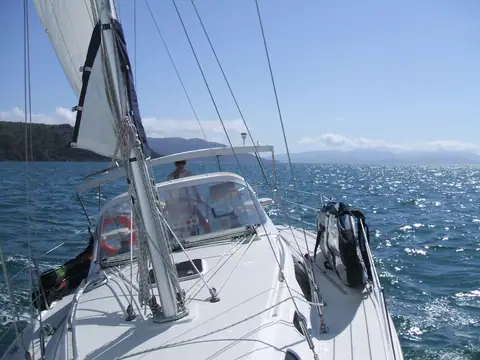
Catalina 320
Cruising Sailboats, 33 ft
Used $30K to $85K
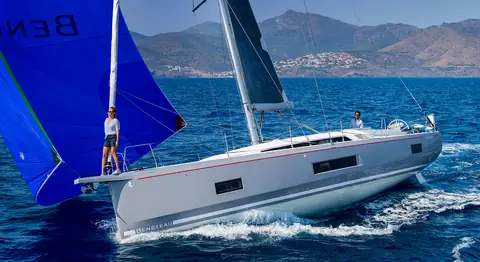
Beneteau Oceanis 46.1
Cruising Sailboats, 48 ft
Used $300K to $640K
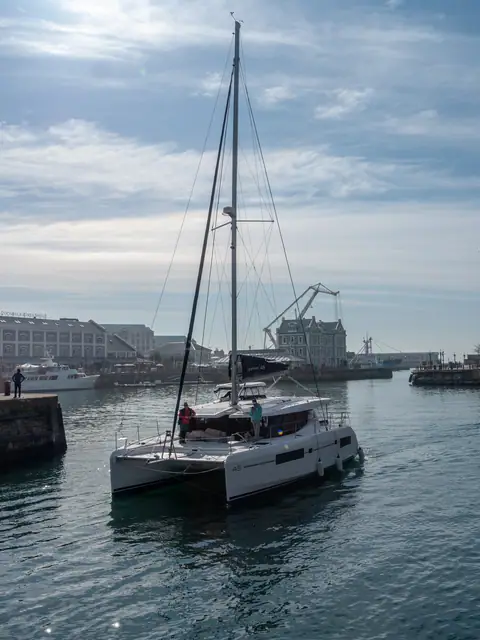
Leopard 45
Sailing Catamarans, 45 ft
Used $380K to $760K
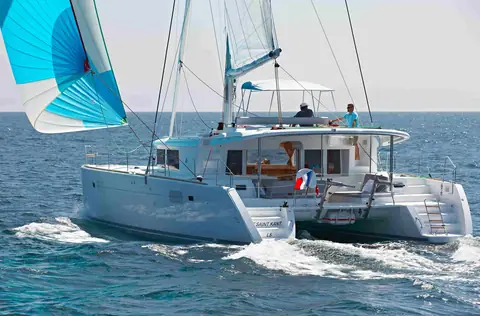
Lagoon 450
Sailing Catamarans, 46 ft
Used $250K to $580K
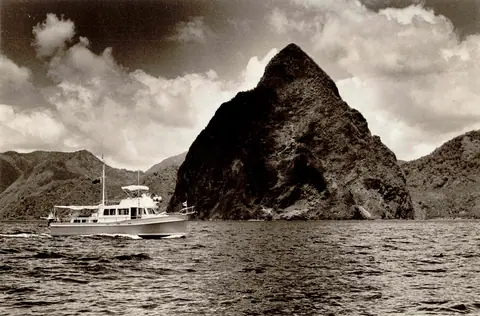
Grand Banks 42 Classic
Trawlers & Explorer Yachts, 43 ft
Used $75K to $360K
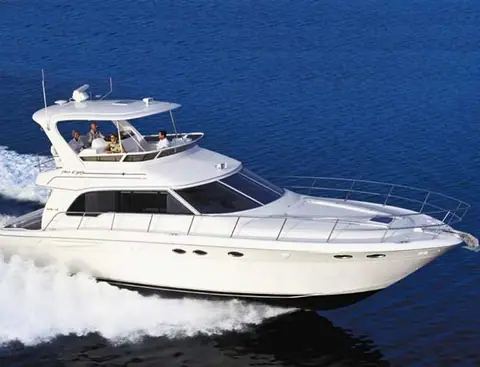
Sea Ray 480 Sedan Bridge
Motor Yachts, 51 ft
Used $200K to $350K
Frequently asked questions
How long does it take to buy a used yacht?
From accepted offer to closing typically takes about three to six weeks. Survey scheduling, haul-out availability, financing and documentation are the usual delays.
Do I need a broker to buy a used yacht?
No, but a buyer's broker is usually paid from the seller's commission and gives you sold comparables, escrow and closing support. Private buyers should use a documentation agent or maritime attorney for closing.
How much deposit is normal on a yacht?
A deposit of about 10 percent of the offer price is standard in the US. It is held in escrow and refundable if you reject the boat under the survey and sea trial contingency.
Can I use the seller's existing survey?
You should not rely on it. A survey is written for the client who ordered it, may be out of date, and your lender and insurer will usually want one commissioned by you.
What is the best age for a used yacht?
Many buyers find the best value in boats about three to ten years old, past the steepest depreciation but with modern systems. Older boats can be excellent if they have been refit and are priced accordingly.
How do I know a used yacht has no liens?
For documented vessels, order an abstract of title from the USCG National Vessel Documentation Center. For state-titled boats, run a title and lien search with the state agency.
Keep reading
Marine Surveys Explained, What a Surveyor Checks
What happens during a pre-purchase marine survey, what it costs, how to choose a surveyor, and how to turn the report into a…
BuyingNew vs Used Yacht, Which Makes More Sense?
A practical comparison of buying a new versus a used yacht in the US market, with real price gaps from our model pages, the…
BuyingYacht Loans and Boat Financing Guide
A practical guide to yacht loans and boat financing in the US, covering typical 2026 loan structures, what marine lenders check…
OwnershipYacht Insurance Guide, Costs and Coverage
A plain-English yacht insurance guide for US owners covering hull and liability coverage, agreed value versus actual cash value…
BuyingHow Much Does a Yacht Cost? Prices by Size and Type
Realistic 2026 price ranges for new and used yachts in the US, from 30 ft sailboats to 130 ft superyachts, with the purchase-day…
OwnershipThe Real Annual Cost of Owning a Yacht
A line-by-line look at annual yacht ownership costs in the US, with worked budgets for four boat sizes and the levers that…