Ownership
The Real Annual Cost of Owning a Yacht
A line-by-line look at annual yacht ownership costs in the US, with worked budgets for four boat sizes and the levers that actually lower the bill.
On this page
- The 10 percent rule and where it breaks
- Four sample budgets, from 35 to 100 feet
- Dockage, the bill that never takes a month off
- What drives the insurance premium
- Maintenance, the line most owners underestimate
- Fuel math you can do on a napkin
- Crew, the cost that changes the whole equation
- Costs that never get an invoice
- Ways owners genuinely cut the annual bill
- FAQ
The 10 percent rule and where it breaks
Ask any broker what yacht ownership costs and you will hear that you should budget about 10 percent of the boat's value per year. It is a sensible starting point, and it maps surprisingly well to a five year old, $500,000 to $2 million owner-operated boat in a typical US marina.
It breaks in two predictable places. First, on inexpensive older boats. A $40,000 sailboat still needs a slip, insurance, bottom paint and a haul-out, and those costs are driven by length, not value. Owners of older boats often spend 20 to 40 percent of the purchase price each year, especially in the first two years. Second, on high-value simple boats. A $1.2 million sailing catamaran with modest engines and no crew may run closer to 5 to 8 percent once the initial outfitting is done.
A better approach is to build your own budget from the line items below, using quotes from your actual marina and insurer. The rest of this guide shows how.
Four sample budgets, from 35 to 100 feet
These are editorial estimates for a boat kept in a mid-priced US marina, used regularly, and maintained properly. Prime locations such as South Florida, Southern California, Newport or the New York area can run substantially higher. Figures exclude depreciation and loan payments.
| Annual line item | 35 ft sailboat ($90k) | 45 ft sailing cat ($650k) | 60 ft flybridge ($2M) | 100 ft crewed yacht ($10M) |
|---|---|---|---|---|
| Dockage | $5,000 to $12,000 | $14,000 to $35,000 | $25,000 to $60,000 | $80,000 to $200,000 |
| Insurance | $900 to $2,000 | $7,000 to $14,000 | $18,000 to $40,000 | $80,000 to $180,000 |
| Routine maintenance and haul-out | $3,000 to $7,000 | $12,000 to $25,000 | $50,000 to $120,000 | $400,000 to $800,000 |
| Fuel | $200 to $800 | $1,500 to $5,000 | $20,000 to $60,000 | $100,000 to $300,000 |
| Crew | None | None | $0 to $90,000 (part-time captain) | $600,000 to $1,000,000 |
| Electronics, canvas, upgrades reserve | $1,500 to $4,000 | $5,000 to $12,000 | $15,000 to $40,000 | $100,000 to $250,000 |
| Registration, membership, misc. | $300 to $1,500 | $1,000 to $3,000 | $3,000 to $10,000 | $30,000 to $80,000 |
| Estimated total | $11,000 to $27,000 | $40,000 to $94,000 | $130,000 to $420,000 | $1.3M to $2.8M |
Dockage, the bill that never takes a month off
Marinas usually charge by the foot, measured on LOA including pulpits, swim platforms and davits. Annual rates vary enormously by region, from under $10 per foot per month at a small inland or Great Lakes marina to $40 per foot per month or more for prime transient-friendly slips in South Florida or Southern California. Metered electricity is often extra, and on a boat running air conditioning it can add hundreds of dollars a month.
Catamarans pay a beam penalty. Many marinas charge a multihull surcharge of 1.5 to 2 times the monohull rate, or require an end tie, because a 45 ft cat with a beam around 24 to 26 feet occupies the space of two boats.
Seasonal markets add a second cost. In the Northeast and Great Lakes, owners pay for summer dockage plus winter storage, haul-out, shrink-wrap and winterization. That combination commonly runs $40 to $100 per foot for the off-season package on mid-size boats. A mooring ball, where available, can cut the summer slip cost by half or more if you accept launch service and no shore power.
What drives the insurance premium
Hull insurance for recreational yachts generally costs somewhere around 1 to 2 percent of the agreed hull value per year, with older boats, high-performance boats and hurricane-exposed boats at the upper end or beyond. Liability coverage of $300,000 to $1 million is usually bundled, and many marinas require proof of it.
Underwriters look at the following:
- Navigation area and named windstorm exposure. Boats kept in Florida or the Gulf during hurricane season pay more, may carry a separate named storm deductible (often 2 to 10 percent of hull value), and must file a hurricane plan.
- Your experience on similar boats. Moving from a 30 ft sailboat to a 60 ft motor yacht can mean a captain-required clause for the first season.
- The survey. Most insurers require a recent condition and valuation survey on boats older than 10 to 20 years, and will exclude items the surveyor flags until they are fixed.
- Agreed value versus actual cash value. Agreed value policies pay the stated amount after a total loss; actual cash value policies deduct depreciation. The difference matters most on older boats.
Maintenance, the line most owners underestimate
A common estimate is that routine maintenance costs 5 to 10 percent of a yacht's value per year. Like the headline rule, it works best in the middle of the market. What matters more is knowing which jobs recur and how often.
The recurring calendar for a typical diesel cruiser looks like this. Engine and generator services every season or every 100 to 250 hours depending on the manufacturer. Bottom paint every one to two years, which on a 45 ft boat can be $3,000 to $8,000 including the haul. Zincs or other anodes every season. Impellers, belts and raw water filters annually. Running gear inspection at every haul.
Then there are the lumpy costs that do not appear every year but always appear eventually. Standing rigging on a sailboat is commonly replaced every 10 to 15 years. A suit of cruising sails might last 6 to 12 years. Canvas and enclosures last around 5 to 10 years in strong sun. Lead-acid house banks last 3 to 6 years; lithium longer, at a higher entry price. Diesel engines can run thousands of hours with care, but a repower on a twin-diesel motor yacht can cost six figures. Put a reserve aside for these from day one.
Fuel math you can do on a napkin
Fuel cost is simple arithmetic: gallons per hour at your normal cruise, times engine hours per year, times the price per gallon at your fuel dock. The variable most people get wrong is hours. Recreational boats in the US commonly log somewhere between 50 and 200 engine hours a year; liveaboard cruisers and charter boats far more.
The examples below assume $5 per gallon purely for illustration. Check your local fuel dock, since marina prices vary widely by region and season.
| Boat | Cruise burn (gph, estimate) | Hours per year | Gallons | Annual fuel at $5/gal |
|---|---|---|---|---|
| 35 ft sailboat, motoring in and out | 0.5 to 0.8 | 80 | 40 to 64 | $200 to $320 |
| 45 ft sailing catamaran, one engine at cruise | 1.0 to 1.8 | 250 | 250 to 450 | $1,250 to $2,250 |
| 42 ft trawler at 7.5 knots | 2.5 to 5 | 250 | 625 to 1,250 | $3,125 to $6,250 |
| 55 ft flybridge at 22 to 25 knots | 40 to 60 | 150 | 6,000 to 9,000 | $30,000 to $45,000 |
| 40 ft center console, quad outboards | 45 to 80 | 120 | 5,400 to 9,600 | $27,000 to $48,000 |
Crew, the cost that changes the whole equation
Most owners can run a boat up to about 50 to 60 feet themselves. Beyond that, at least a part-time captain becomes common, and above roughly 80 to 90 feet a full-time crew is standard. Crew costs include salaries, payroll taxes or contractor fees, health insurance, travel, uniforms, training and often food and accommodation.
As broad US estimates, day-rate captains commonly charge in the range of a few hundred to over $800 a day depending on vessel size and licensing, and full-time captains on 60 to 80 ft yachts often earn something like $80,000 to $150,000 a year. A 100 ft yacht with a captain, mate, stewardess and chef can carry a crew budget near or above $700,000 once benefits and travel are included. This is why crewed yachts often cost far more than 10 percent per year in absolute terms, even when the percentage looks similar.
Ways owners genuinely cut the annual bill
Small savings add up, but a few decisions dwarf everything else.
- Buy the right size. Every extra foot raises dockage, haul-out, paint and insurance. A 40 ft boat you use every weekend beats a 50 ft boat you can barely afford to move.
- Choose where you keep it. A marina 30 minutes farther from the city can cost half as much.
- Learn routine maintenance. Oil changes, impellers, filters and zincs are well within most owners' reach.
- Fix things early. Small leaks and corrosion become expensive structural or electrical problems if ignored.
- Consider a charter management program or a shared-ownership arrangement, understanding that both reduce your access and add wear.
- Shop insurance annually through a marine specialist broker and take an approved boating course where insurers give credit.
Models mentioned in this guide
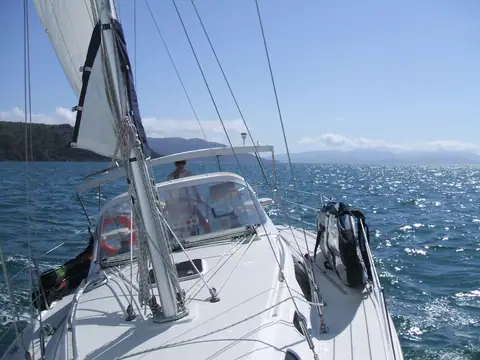
Catalina 320
Cruising Sailboats, 33 ft
Used $30K to $85K
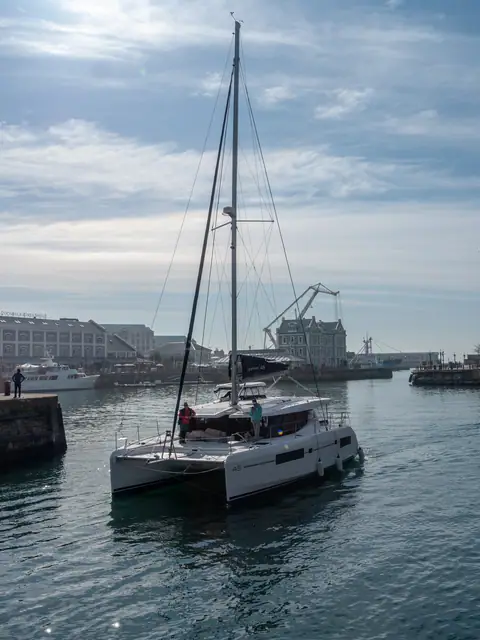
Leopard 45
Sailing Catamarans, 45 ft
Used $380K to $760K
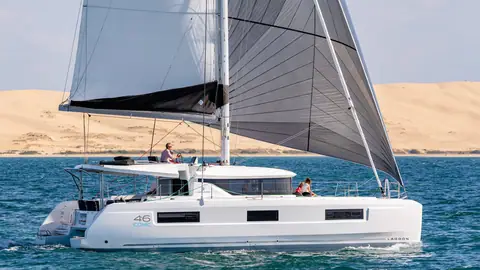
Lagoon 46
Sailing Catamarans, 46 ft
Used $620K to $950K
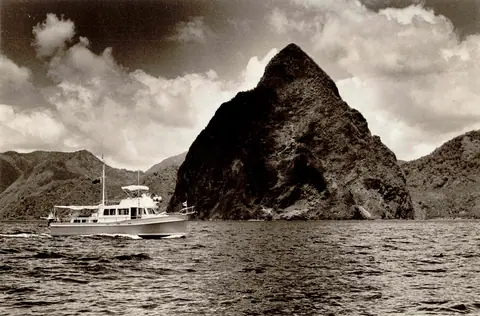
Grand Banks 42 Classic
Trawlers & Explorer Yachts, 43 ft
Used $75K to $360K
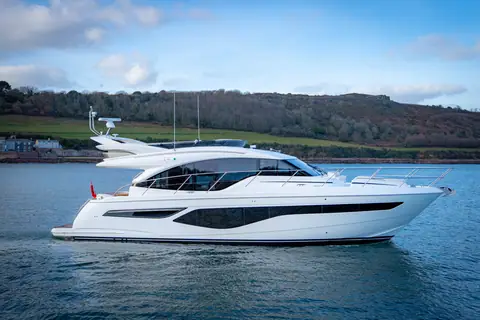
Princess F55
Motor Yachts, 58 ft
Used $1.35M to $2.7M
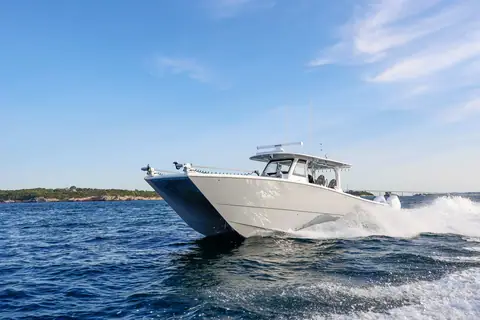
Freeman 42LR
Center Consoles & Offshore Boats, 42 ft
Used $425K to $1.2M
Frequently asked questions
How much does it cost to maintain a yacht per year?
Routine maintenance usually runs about 5 to 10 percent of the boat's value each year, as a rule of thumb. Total ownership costs including dockage, insurance and fuel are often 8 to 15 percent for owner-operated boats, and higher for older or crewed yachts.
What is the biggest annual cost of owning a yacht?
For owner-operated boats it is usually dockage or maintenance, depending on region. Once a yacht needs a full-time crew, crew salaries and benefits become the largest single line.
Is the 10 percent rule accurate?
It is a useful starting estimate for mid-size boats, roughly $500,000 to $2 million. It understates costs on inexpensive older boats, because slips and haul-outs are priced by length, not value.
How much is yacht insurance per year?
Expect roughly 1 to 2 percent of hull value annually for most recreational yachts. Hurricane zones, older boats, high speeds and limited owner experience push premiums higher.
Do catamarans cost more to own than monohulls?
Often yes, mainly because of dockage. Many marinas charge cats 1.5 to 2 times the monohull rate, and haul-outs need wide lifts. Two engines also double some routine service.
How can I estimate fuel costs before buying?
Multiply cruise fuel burn in gallons per hour by your expected engine hours per year and the local price per gallon. Use real performance data for the exact model and engines, not brochure figures.
Keep reading
How Much Does a Yacht Cost? Prices by Size and Type
Realistic 2026 price ranges for new and used yachts in the US, from 30 ft sailboats to 130 ft superyachts, with the purchase-day…
OwnershipYacht Insurance Guide, Costs and Coverage
A plain-English yacht insurance guide for US owners covering hull and liability coverage, agreed value versus actual cash value…
BuyingYacht Loans and Boat Financing Guide
A practical guide to yacht loans and boat financing in the US, covering typical 2026 loan structures, what marine lenders check…
OwnershipHow to Winterize a Boat or Yacht
A system-by-system winterizing guide for US boat and yacht owners in freezing climates, covering engines, fuel, plumbing…
OwnershipCatamaran Charter Management Programs Explained
A clear look at catamaran charter management programs, how guaranteed income and revenue-share contracts differ, what owner use…
BuyingNew vs Used Yacht, Which Makes More Sense?
A practical comparison of buying a new versus a used yacht in the US market, with real price gaps from our model pages, the…