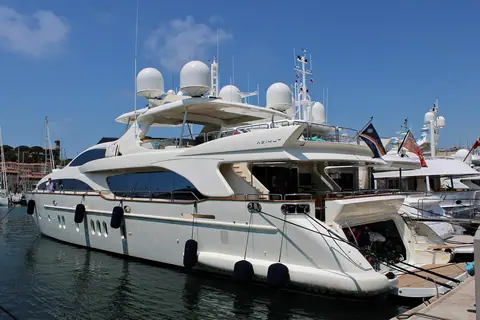
Azimut 95
Superyachts, 98 ft
Used $2.2M to $3.6M
There is no legal definition of a superyacht, but the industry broadly uses the term for professionally crewed pleasure yachts of about 24 meters (79 feet) and longer. Above roughly 40 to 50 meters, and certainly beyond 60, many people switch to the word megayacht. Whatever the label, these are yachts that need a captain and crew, run like small businesses and are built to class rules rather than just recreational standards.
Superyachts, 98 ft
Used $2.2M to $3.6M
Superyachts, 99 ft
Used $1M to $2.2M
Superyachts, 98 ft
Used $800K to $2.2M
Superyachts, 101 ft
Used $2M to $3.3M
Superyachts, 103 ft
Used $3M to $6M
Superyachts, 117 ft
Used $4.5M to $6.7M
Superyachts, 87 ft
Used $3M to $5.6M
Superyachts, 86 ft
Used $5.4M to $7.2M
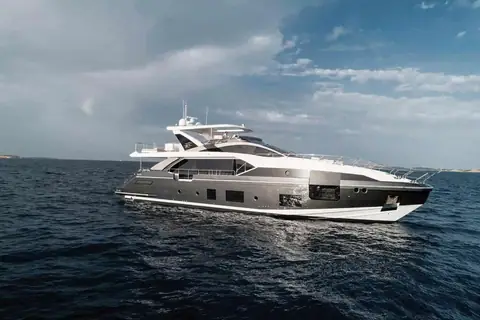
Superyachts, 88 ft
Used $4.6M to $9M
Superyachts, 96 ft
Used $5M to $7.2M
Superyachts, 105 ft
Used $7.5M to $11.3M
Superyachts, 115 ft
Used $8.5M to $10.6M
Superyachts, 116 ft
Used $12.3M to $17.1M
Superyachts, 94 ft
Used $4.6M to $6.7M
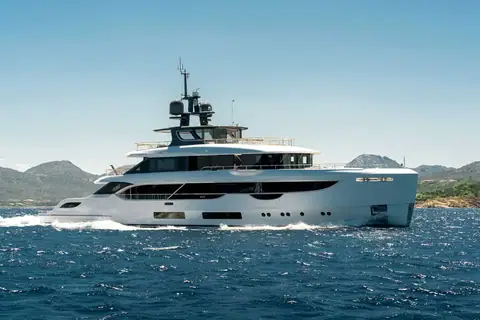
Superyachts, 134 ft
Used $16M to $25M
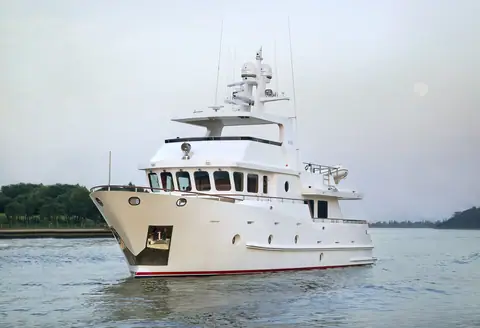
Superyachts, 146 ft
Used $16M to $24M
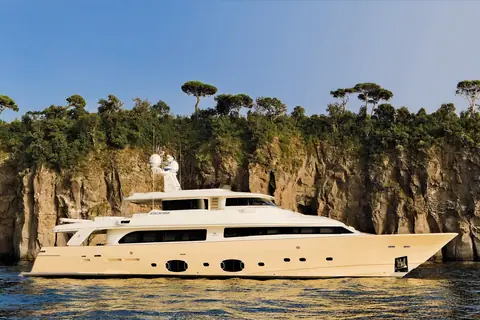
Superyachts, 108 ft
Used $9M to $15M
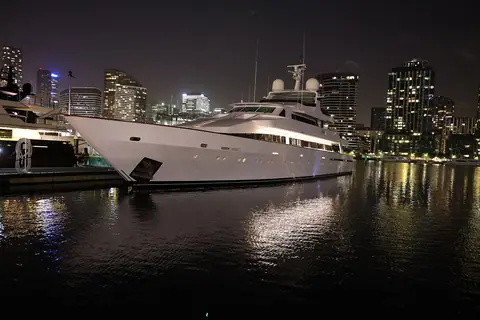
Superyachts, 94 ft
Used $4.8M to $7.8M
Superyachts, 96 ft
Used $3.3M to $5.5M
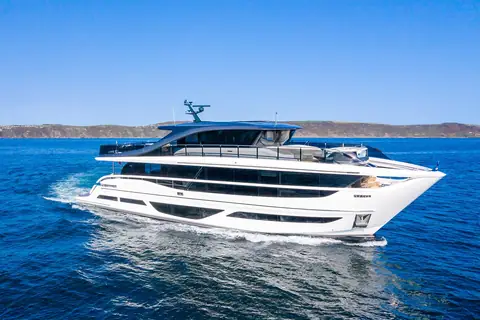
Superyachts, 95 ft
Used $9.5M to $14.5M
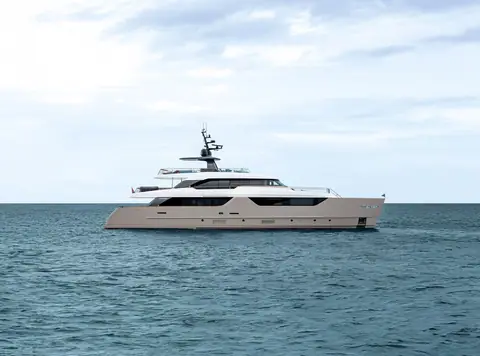
Superyachts, 117 ft
Used $11.5M to $17M
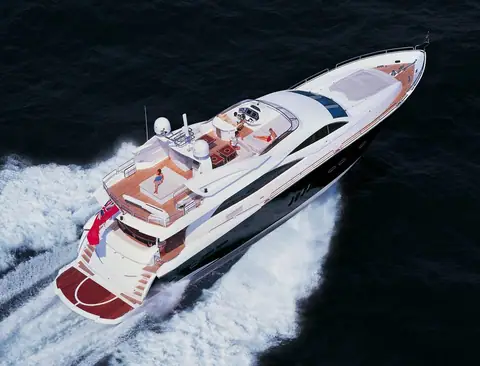
Superyachts, 92 ft
Used $1.5M to $2.5M
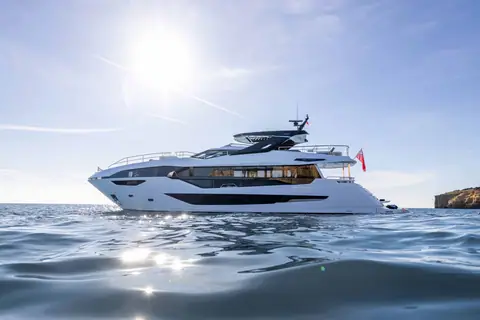
Superyachts, 98 ft
Used $10.5M to $15.5M
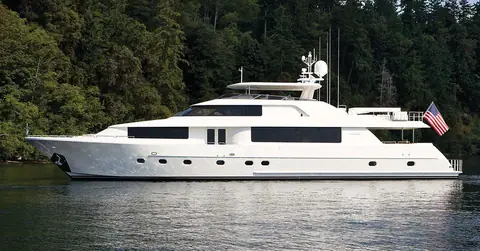
Superyachts, 112 ft
Used $3.2M to $9.5M
No models match these filters. Clear a filter to see more.
Our coverage starts at the entry point of the market, with production and semi-custom yachts such as the Azimut Grande 27 Metri, Princess X95 and Sunseeker 100 Yacht, and moves up through the Westport 112, Sanlorenzo SD118 and Benetti Oasis 40M. These are the superyachts American first-time buyers most often consider, many stepping up from a 60 to 80 foot flybridge yacht.
This guide explains size classes, build types, crew and running costs, US charter considerations and how the used market works at this level.
The 24 meter line matters because it is where many regulatory regimes change. The UK's Large Yacht Code, widely used for commercial yachts around the world, applies from 24 meters load line length, and yachts that charter commercially above that size must meet stricter construction, safety and crew certification standards. Builders design their yachts around these codes, which affects everything from fire protection to crew accommodation.
Gross tonnage is the other key number. Volume, not length, determines crew certification levels, and many yachts are designed to stay just under thresholds such as 500 gross tonnes so they can operate with simpler requirements. When comparing two 40 meter yachts, check the tonnage, because one may be much more voluminous than the other.
Crew numbers and running costs grow faster than length. A 40 meter yacht typically carries around 10 to 12 crew, while a 27 meter yacht might manage with three or four. The table below gives typical ranges.
| Length | Typical crew | Build approach | Examples |
|---|---|---|---|
| 24 to 30 m (79 to 100 ft) | 3 to 5 | Series production, fiberglass | Azimut Grande 27 Metri, Princess X95, Sunseeker 100 Yacht |
| 30 to 40 m (100 to 130 ft) | 5 to 12 | Semi-custom, fiberglass, aluminum or steel | Westport 112, Sanlorenzo SD118, Benetti Oasis 40M |
| 40 to 60 m (130 to 200 ft) | 10 to 20 | Semi-custom or full custom, steel and aluminum | Larger Benetti, Feadship, Heesen and Lurssen yachts |
| 60 m and up (200 ft and up) | 20 and more | Full custom | Megayachts from northern European and Italian yards |
Production superyachts, such as those from Azimut, Princess and Sunseeker, are built in series with a fixed hull and limited customization. They offer shorter delivery times and better resale liquidity. Semi-custom yachts, such as Benetti's Oasis series or the Sanlorenzo SD line, use a proven hull and platform but allow significant interior and layout changes.
Full custom yachts are designed from scratch for one owner. They take years to build and cost far more, and their resale depends on how well the owner's choices appeal to the next buyer.
A widely used industry rule of thumb is that annual running costs equal about 10 percent of the yacht's value, sometimes more for older or heavily used yachts. Crew salaries are often the largest line item, followed by maintenance, insurance, dockage, fuel and management fees. Crew typically live aboard, with salaries and living costs paid by the owner.
Many owners offset some costs through charter. Charter income rarely covers ownership costs entirely, but it can reduce them and keep the crew and systems busy. A professional management company handles crew, accounting, compliance and charter marketing for a fee.
Most superyachts are registered under flags such as the Cayman Islands or Marshall Islands. If you plan to charter in US waters, the rules are complex. US cabotage law restricts foreign-built and foreign-flagged vessels from carrying passengers between US ports, and waiver programs have their own limits on passenger numbers.
This is one reason US-built yachts such as those from Westport, built in Washington State, have a strong following among American owners who charter domestically. Before buying with charter plans, consult a maritime attorney and an experienced charter manager.
Italian yards, including Azimut-Benetti, Sanlorenzo and the Ferretti Group, build a large share of the world's new superyachts, and Italy is often said to produce about half of new builds. Northern European yards such as Feadship, Heesen and Lurssen dominate the custom megayacht market.
American builders occupy a smaller but important niche. Westport builds fiberglass tri-deck yachts in the 30 to 40 meter range, and Florida yards such as Trinity and Christensen built larger custom yachts in the past. Many US buyers also buy Italian or British yachts through American dealers.
A used superyacht purchase involves a sea trial, a full survey and a review of class status with societies such as ABS, Lloyd's Register, RINA or Bureau Veritas. Major class surveys and refits follow a multi-year cycle, so a yacht approaching a major survey may need significant work soon. Fort Lauderdale is the main US hub for refits and brokerage.
Production yachts in the 24 to 30 meter range trade much like large motor yachts, with listings, brokers and fairly transparent pricing. Above 40 meters the market is thinner and many sales happen off market, so a well connected broker matters. Expect a deposit held in escrow, a conditional acceptance period for survey and sea trial, and closing in a jurisdiction that suits the yacht's flag and tax position.
| Size | New | Used |
|---|---|---|
| 24 to 30 m (79 to 100 ft) | $8,000,000 to $18,000,000 | $3,000,000 to $14,000,000 |
| 30 to 40 m (100 to 130 ft) | $15,000,000 to $35,000,000 | $6,000,000 to $28,000,000 |
| 40 to 60 m (130 to 200 ft) | $30,000,000 to $90,000,000 | $12,000,000 to $70,000,000 |
| 60 m and up | $80,000,000 to $300,000,000+ | $40,000,000 and up |
Typical US asking and sail-away ranges in 2026. Condition, engines and equipment move individual boats well outside these bands.
There is no official definition, but the term usually applies to crewed yachts of about 24 meters (79 feet) and longer. Megayacht is often used for yachts above about 50 to 60 meters.
Entry-level production superyachts of 24 to 30 meters cost roughly $8 million to $18 million new in 2026. Larger custom yachts can cost tens or hundreds of millions.
A 27 meter yacht may run with three to five crew, while a 40 meter yacht typically carries about 10 to 12. Very large yachts can have dozens.
A common rule of thumb is about 10 percent of the yacht's value per year, covering crew, maintenance, insurance, dockage and fuel.
US cabotage rules restrict foreign-built and foreign-flagged yachts from carrying charter guests between US ports, with limited waivers. Get specialist legal advice before planning US charters.
Both are informal terms. Superyacht generally covers crewed yachts from about 24 meters, while megayacht is used for the largest yachts, often above 60 meters.