Ownership
How to Winterize a Boat or Yacht
A system-by-system winterizing guide for US boat and yacht owners in freezing climates, covering engines, fuel, plumbing, sanitation, generators, batteries, interiors and covers, plus how to choose between indoor, outdoor and in-water winter storage.
On this page
- When to start and who should do it
- Choose where the boat will spend the winter
- Fuel, oil and filters, the first job
- Engine steps by type
- Antifreeze, the right kind and enough of it
- Fresh water, heads and every small pump
- Batteries and the electrical system
- Hull, deck and interior lay-up
- Shrink wrap, canvas or a building
- Wintering afloat and getting ready for spring
- FAQ
When to start and who should do it
If your boat lives anywhere that sees a hard freeze, from New England and the Great Lakes to the upper Chesapeake, the Pacific Northwest interior and inland lakes across the Midwest and mountain states, plan to winterize before the first forecast night below freezing. In much of the northern US that means October or early November. Yards get busy fast, so book the haul-out and storage in late summer.
Whether to do it yourself depends on the boat. An outboard-powered center console or small sailboat is a reasonable owner project with a free weekend and the right supplies. A twin-diesel motor yacht with a generator, multiple air conditioning units, a watermaker and three heads has dozens of places to trap water, and many owners hand it to a yard or their regular mechanic. Some marinas require that certain winterizing work be done by their staff, so check your storage contract before you plan a DIY job.
Either way, start with the owner's manuals for your engines and generator. Mercury, Yamaha, Volvo Penta, Caterpillar and every other engine maker publishes its own storage procedure, and following it matters for warranty claims.
Choose where the boat will spend the winter
How much winterizing you need depends partly on where the boat will sit. A heated building removes most freeze risk, while a boat left in the water needs extra precautions and someone checking on it.
| Storage type | Freeze and weather risk | Relative cost | Notes |
|---|---|---|---|
| Heated indoor | Lowest | Highest | Still winterize engines in most cases, check temperature guarantee in writing |
| Unheated indoor or covered rack | Low to moderate | High | Protects from snow and UV, full winterizing still required |
| Outdoor on stands or trailer, shrink wrapped | Moderate | Moderate | Most common in the Northeast and Great Lakes, needs good blocking and vents |
| Outdoor on own trailer at home | Moderate | Lowest | Check HOA rules, cover well, block trailer tires and remove battery |
| In the water with bubblers or de-icers | Highest | Varies | Only where marinas support it, needs working bilge pumps and regular checks |
Fuel, oil and filters, the first job
Gasoline with ethanol, which is what most US marinas sell, degrades over a long lay-up and can absorb moisture. Add a marine fuel stabilizer at the dose on the bottle, then run the engine long enough to pull treated fuel through the lines, filters, injectors or carburetors. Most mechanics advise filling gasoline tanks to nearly full, leaving some room for expansion, to reduce the air space where condensation forms. Diesel owners should also top up and add a biocide if the boat has had any history of fuel bug.
Change engine oil and the oil filter while the engine is warm, before storage rather than in spring. Used oil carries combustion acids and moisture that can sit on bearings and cylinder walls all winter. Replace primary fuel filters or water separators at the same time so you start the season with clean filters, and drain any water from the separator bowl.
On outboards and sterndrives, change the gear lube in the lower unit and inspect what drains out. Milky or water-streaked oil means a seal is letting water in, and that water can freeze and crack the gearcase. Fix the seal before spring.
Engine steps by type
The cooling system is where engines crack. The method depends on whether the engine is raw water cooled, fresh water cooled with a heat exchanger, or an outboard that drains itself.
| Engine type | Cooling side | Key steps |
|---|---|---|
| Outboard | Self-draining raw water | Flush with fresh water, let it drain upright, stabilize fuel, fog if the manual calls for it, change gear lube, grease fittings |
| Gas sterndrive or inboard, raw water cooled | Raw water through block and manifolds | Drain block and manifold plugs or run propylene glycol through the system until it exits, fog cylinders per manual, change oil and gear lube |
| Gas or diesel inboard with heat exchanger | Closed fresh water loop plus raw water side | Test coolant strength with a refractometer, pull antifreeze through the raw water strainer until it exits the exhaust, change oil and filters |
| Generator | Usually heat exchanger cooled | Same as inboard, plus run it on treated fuel and protect the raw water side |
Antifreeze, the right kind and enough of it
Use propylene glycol marine and RV antifreeze, normally pink, for raw water circuits, fresh water plumbing, heads and anything that will eventually be pumped overboard. Never put automotive ethylene glycol antifreeze into a potable water system or a raw water circuit that discharges into the water, because it is toxic.
Read the label carefully. Products are often sold as minus 50 or minus 100 degrees Fahrenheit, but those figures usually refer to burst protection, not the temperature at which the fluid stays fully liquid. Antifreeze also gets diluted by water left in the system. The usual check is to keep pumping until full-strength pink fluid comes out of each outlet, not just a pink tinge. Mechanics typically allow several gallons for a twin-engine boat once you count engines, generator, water system and heads.
Fresh water, heads and every small pump
Small systems cause a large share of spring surprises. Use this list and tick each one off on paper, because it is easy to skip the aft deck shower or the forward ice maker on a large boat.
- Drain the fresh water tanks, set the water heater bypass, then pump antifreeze through every faucet and shower, hot and cold, until it runs pink.
- Do the transom shower and cockpit sink, which are easy to forget.
- Pump out the holding tank, rinse it, then flush antifreeze through each head and leave some in the bowl and lines.
- Run antifreeze through raw water washdown pumps, live wells and bait well pumps, then close the seacocks.
- Pump antifreeze into shower sump boxes and the bilge if it holds water.
- For air conditioning, pump antifreeze through the raw water intake until it exits each unit's overboard discharge.
- Drain or pickle the watermaker following the maker's storage procedure.
- Disconnect and drain ice makers, refrigerator water lines and filters.
Batteries and the electrical system
A fully charged lead-acid battery tolerates cold well, while a discharged one can freeze and split its case. Charge all batteries fully before storage. Then either disconnect them and keep them topped up during the winter, or leave them on a quality marine maintenance charger if the yard allows shore power. Lithium batteries have their own recommended storage state of charge and temperature limits, so follow the manufacturer's guidance.
Turn off the main battery switches unless an automatic bilge pump or alarm needs power. If the boat stays in the water, the bilge pumps and any de-icer must remain powered and tested. Spray connectors with a corrosion inhibitor, and remove portable electronics, handheld radios and anything with internal batteries.
Hull, deck and interior lay-up
Once the boat is hauled, pressure wash the bottom while growth is still soft, then inspect the running gear, zincs, shaft seals and through-hulls. Note blisters, gelcoat cracks and loose hardware now, while there is all winter to get repairs quoted.
Inside, the enemies are mildew and rodents. Remove food, cushions you can take home, wet lines and life jackets. Open lockers, drawers and the refrigerator door, and place moisture absorbers in closed cabins. Plug exhaust outlets and open vents where mice could get in, and leave a reminder at the helm so the plugs come out before the first start in spring.
Sailboats need some extra attention. Remove sails, wash and dry them before storage, take off running rigging that will sit in UV, and decide with your rigger whether the mast should be unstepped for an inspection. Winter is the best time to replace standing rigging that is near the end of its life.
Shrink wrap, canvas or a building
Shrink wrap is the default outdoor cover in the Northeast and Great Lakes. A professional installation uses a support frame so snow slides off, a zipper door for access and several vents to keep condensation down. Yards usually quote it per foot of boat length, and price varies with region, height and whether the hardtop or tower is included. It is single-use plastic, though many yards run recycling programs.
A fitted winter canvas cover costs more up front but can last many seasons, which makes sense for owners who store outdoors every year. Whatever you choose, the cover must keep snow load off the deck, stop water from pooling, and still let air move through the boat.
Wintering afloat and getting ready for spring
Some northern marinas allow boats to stay in the water with bubblers or de-icers that keep ice from forming around hulls. This saves haul-out and blocking costs but adds risk. The engine and plumbing still need full winterizing, shore power must be reliable, bilge pumps must work, and someone should check the boat after storms and cold snaps. Discuss in-water storage with your insurer, since some policies treat it differently.
In spring, recommissioning reverses the process. Remove exhaust plugs and rodent guards, flush antifreeze from the fresh water system, sanitize the tanks, reinstall batteries, check belts and hoses, replace the raw water impeller if it is due, and run every system at the dock before the first trip. Keep the winterizing invoice or your own dated checklist with photos, since it helps both resale and any insurance claim. For the larger picture of annual costs, including storage, see our guide to yacht ownership costs.
Models mentioned in this guide
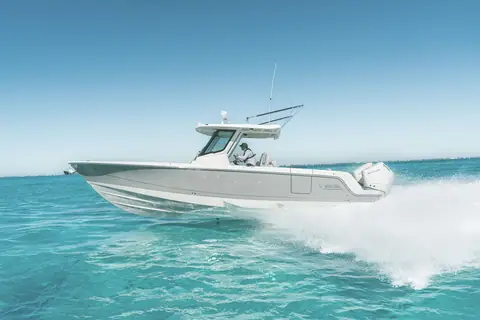
Boston Whaler 330 Outrage
Center Consoles & Offshore Boats, 33 ft
Used $175K to $560K

Sea Ray Sundancer 320
Sport Yachts & Express Cruisers, 33 ft
Used $210K to $480K
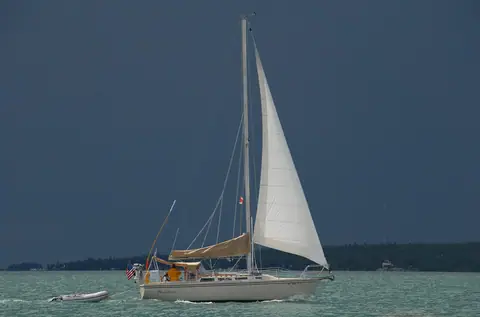
Catalina 30
Cruising Sailboats, 30 ft
Used $8K to $58K
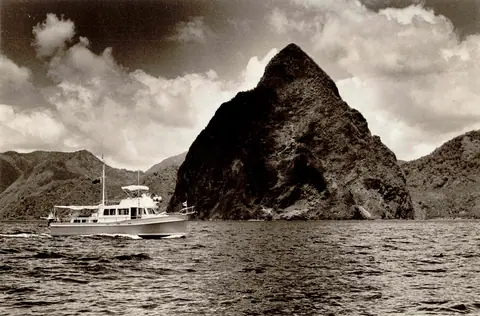
Grand Banks 42 Classic
Trawlers & Explorer Yachts, 43 ft
Used $75K to $360K
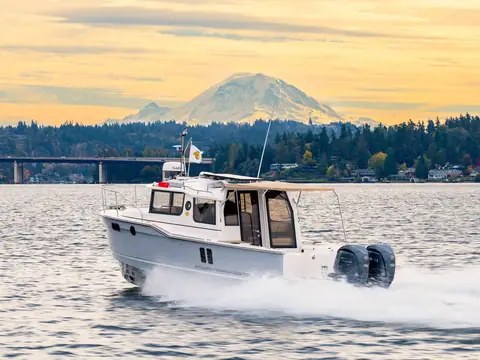
Ranger Tugs R-27
Trawlers & Explorer Yachts, 32 ft
Used $85K to $285K
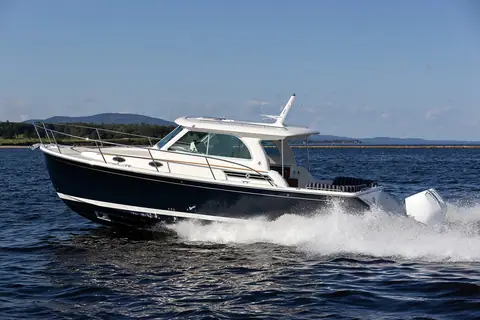
Back Cove 34O
Downeast Yachts, 40 ft
Used $440K to $760K
Frequently asked questions
When should I winterize my boat?
Winterize before the first night forecast below freezing. In most of the northern US that falls between late September and early November, and yards book up quickly in that window.
What antifreeze should I use to winterize a boat?
Use non-toxic propylene glycol marine and RV antifreeze for raw water circuits, fresh water plumbing and heads. Do not use automotive ethylene glycol in any system that can discharge overboard or carries drinking water.
Should I fill my fuel tank for winter storage?
Most mechanics recommend filling gasoline and diesel tanks nearly full with stabilizer added, leaving room for expansion, to limit condensation. Always run the engine afterward so treated fuel reaches the whole fuel system.
Can I winterize an outboard myself?
Yes, most owners can. Flush and drain the engine upright, stabilize the fuel, fog it if the manual says so, change the gear lube and grease fittings, and follow the engine maker's storage procedure.
Does boat insurance cover freeze damage?
It depends on the policy. Some exclude freeze damage entirely and others cover it only when the boat was properly winterized, so keep dated records and receipts.
Is it OK to leave a boat in the water over winter?
It can work at marinas that run bubblers or de-icers, but the boat still needs full winterizing, reliable shore power, working bilge pumps and regular checks. Hauling out remains the lower-risk option.
Keep reading
The Real Annual Cost of Owning a Yacht
A line-by-line look at annual yacht ownership costs in the US, with worked budgets for four boat sizes and the levers that…
OwnershipYacht Insurance Guide, Costs and Coverage
A plain-English yacht insurance guide for US owners covering hull and liability coverage, agreed value versus actual cash value…
BuyingMarine Surveys Explained, What a Surveyor Checks
What happens during a pre-purchase marine survey, what it costs, how to choose a surveyor, and how to turn the report into a…
KnowledgeBoating Terminology, 150 Terms Every Owner Should Know
A themed glossary of boating terminology for new and experienced owners, grouped by hull, deck, lines, sails, engines…